BYD – New energy vehicles make even more sense with cost-of-living pressures. Global and domestic factors continue to weigh heavily on cost-of-living pressures. Forcing many Australian families to reassess their spending habits.
Those dependent on vehicles to support their livelihoods are bearing the brunt of tougher economic conditions. New energy vehicles are demonstrating why transitioning to efficient and innovative electric mobility makes sense, now more than ever. Data shows that:
- An Australian driver will spend $22.20 to drive 100km. When petrol is $2 per litre Endgame and Electric Vehicle Council (2026)
- Someone who has used AC public chargers for their BYD ATTO 1 Premium at $0.40 – $0.50 per kWh. Can travel 100km on $6.40 Australian Electric Vehicle Association (2025)
- 93% of EV owners can charge their vehicles at home. This can reduce the cost to $1.32–$2.48 per 100km EV Ownership Survey (2025) & National Cover (2026)
- Nearly 40% of Australian households have solar panels. Which can reduce their day-to-day EV travel cost to $0 Solar Calculator (2026)
BYD vehicles help cost of living pressures
BYD’s impressive range of electric vehicles and intelligent super hybrids offer affordable mobility solutions for all Australians.
Whether it’s someone looking to buy an affordable first vehicle like the stylish ATTO 2 small electric SUV. Or the multi-purpose plug-in hybrid SHARK 6 ute Australians have fallen in love with. Or the seven-seat super hybrid SEALION 8 designed for families.
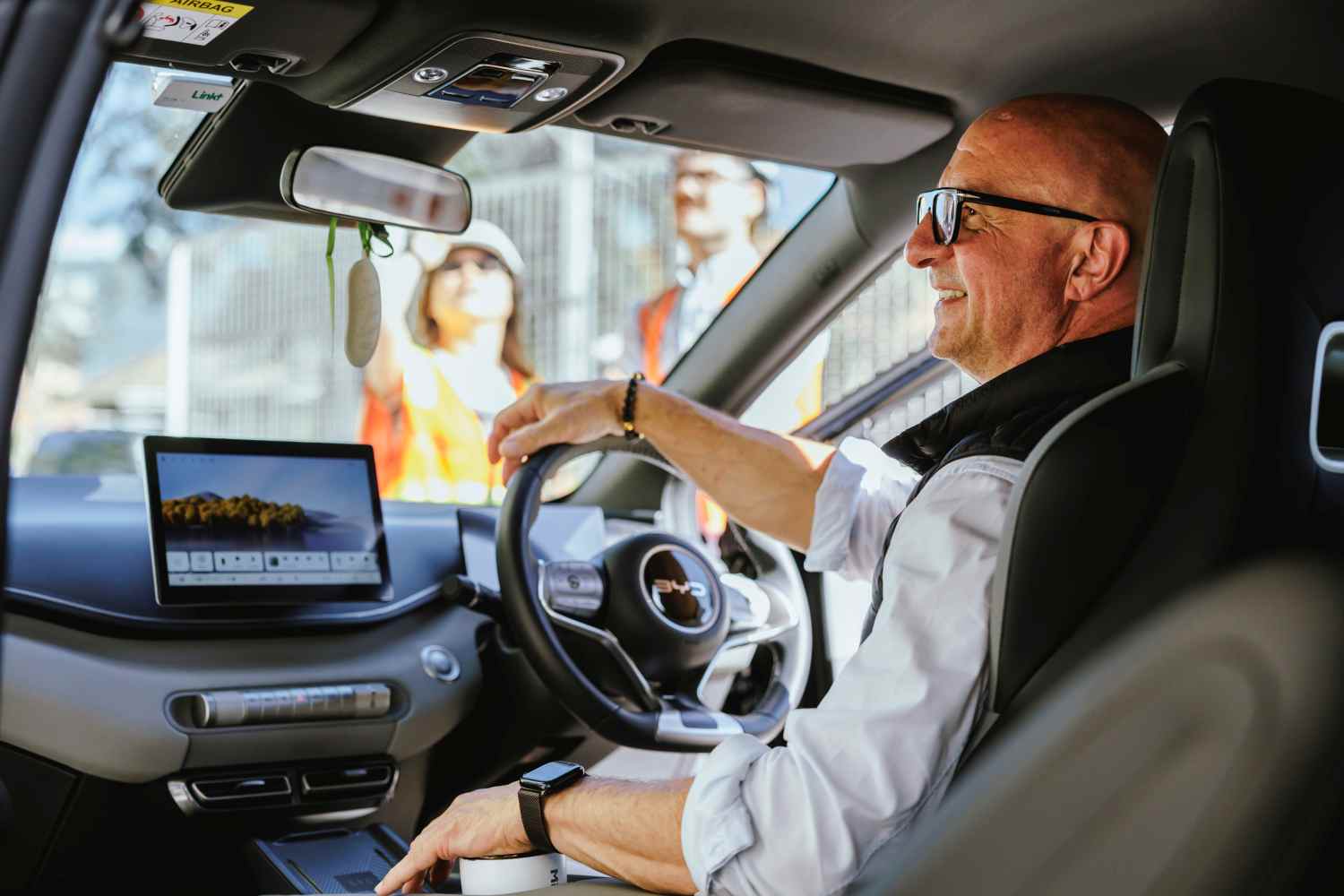
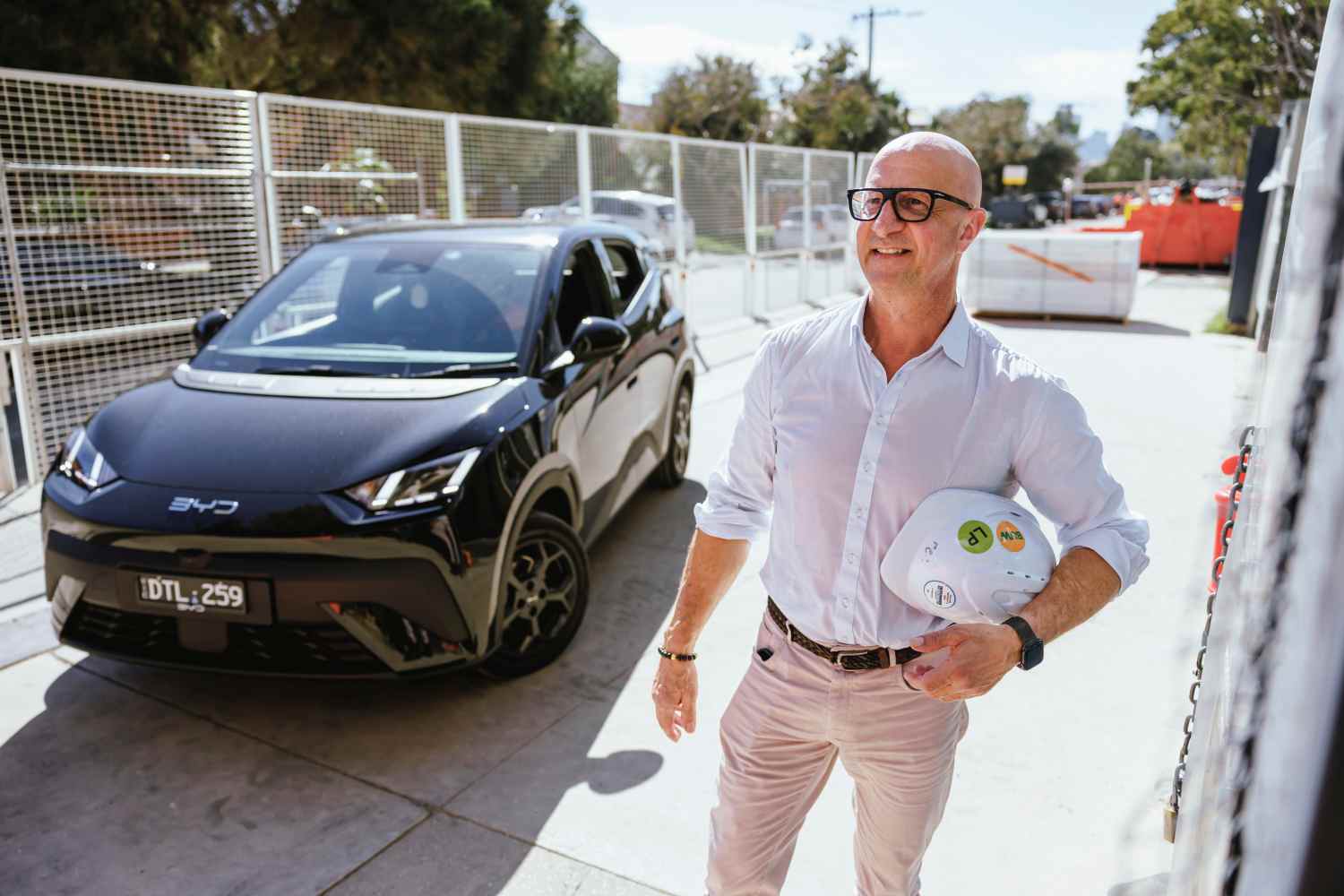
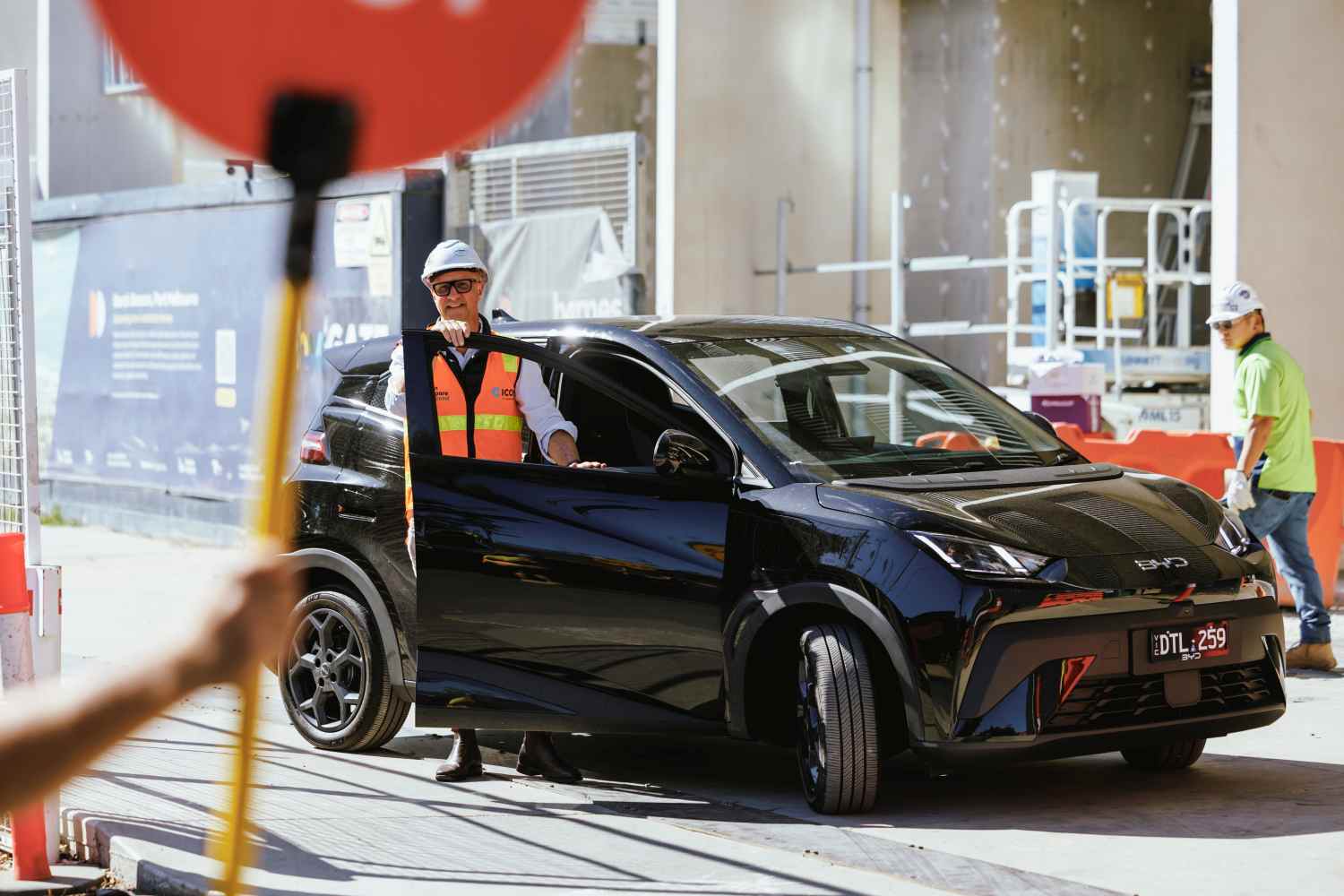
Melbourne car enthusiast Peter Kokinos, a joinery manager with a major construction company. Recently added BYD’s popular ATTO 1 compact EV hatch to his garage. He says it is the perfect work vehicle to take him to and from building sites across the city. Thanks to its zippy electric performance and unmatched efficiency.
“It makes complete sense. I drive it Monday to Friday. I plug it in at home once or twice a week and it gets me to and from work at zero cost,” says Peter.
“It’s comfortable and drives like a big car that’s three or four times the price… I’ve given it to a couple of friends and said: ‘take it for a little test drive and you’ll buy one.’”
BYD ‘hi-tech’ vehicles
For many younger Australians, a BYD may be the first new ‘hi-tech’ car they own due to BYD vehicles’ relative affordability. Innovative BYD technology includes:
- BYD Blade Battery: One of the world’s safest batteries for electric and super hybrid vehicles, the result of three decades’ experience in innovative battery manufacturing technology.
- Vehicle-to-Load (V2L): Where the car’s battery can be used as an external power source for electrical appliances like power tools, laptops, camping lights, and even coffee machines and electric barbecues.
- Smart Connectivity: Over-The-Air updates where tech-led features such as infotainment systems are kept up to date remotely at the press of a button.
2025’s EV Ownership Survey conducted by the EV Council surveyed 1,839 Australian EV owners and revealed that concerns about range anxiety, charging access and upfront costs are largely dismissed once buyers understand new energy technology and its benefits and convenience. Most drivers report EVs are cheaper to run, easy to charge at home and suitable for everyday driving.
The Australian Bureau of Statistics (ABS) says the average distance driven in Australia is 33km per day, with most EVs offering in excess of 200 km of real-world driving on a single charge – dispelling the myth about the suitability of EVs as everyday vehicles for urban use.
Government’s Fringe Benefits Exemption for EVs
Over 105,000 Australians have taken advantage of the Government’s Fringe Benefits Exemption for EVs to lower the cost of a novated lease. They then enjoy the ongoing lower charging costs through the lease’s term.
BYD Australia Chief Operating Officer, Stephen Collins, says. “More and more Australians are recognising the financial benefits of switching to new energy vehicles such as EVs and super hybrids. Cost of living pressures are forcing many new car buyers considering an electrified vehicle to take the step sooner. In doing so, they are not only saving money at the petrol bowser. But reducing their carbon footprint through reduced vehicle CO2 tailpipe emissions.”
BYD Australia is committed to making electric mobility more accessible to Australians doing it tough, with plans to deliver approximately 30,000 BYD vehicles in Q2 alone.