The 2026 Mitsubishi ASX Aspire is a small SUV built on the Renault Captur, priced at $42,690 before on-road costs. It looks sharp, it matched its 6.4L/100km fuel claim over my week of commuting, and Mitsubishi backs it with up to 10 years of warranty, servicing and roadside assist. Worth weighing up before you buy: it’s petrol only in a class full of cheaper hybrids, the cabin is snug for the size of the car, and the reversing camera is poor at this price. We scored it 6.9 out of 10.
The Mitsubishi ASX Aspire is $42,690 before on-road costs, or around $46,800 drive-away depending on your state. I spent a week with one in Crystal White, mostly commuting between jobs. I also drove a grey 2017 ASX for years as an Uber car, so I know the old one well.
The new ASX is a Renault Captur underneath, with Mitsubishi’s grille, tuning and warranty on top. It sells in Australia’s busiest class, against the Toyota Corolla Cross, Hyundai Kona, MG ZS, GWM Haval Jolion and Chery Tiggo 4, and it costs about $13,000 more than the old ASX did. That’s hybrid money for a petrol car, and it’s the question hanging over everything else here.
2026 Mitsubishi ASX Aspire — at a glance |
|
|---|---|
| Price (drive-away) | Approximately $46,800 (from $42,690 before on-road costs) |
| Powertrain | 1.3L turbo petrol, front-wheel drive, 7-speed dual-clutch |
| Power / torque | 113kW / 270Nm |
| Fuel economy (claimed) | 6.4 L/100km combined (matched in the real world) |
| Fuel / tank | 91 RON unleaded / 48 litres |
| Warranty | Up to 10 years / 200,000km (conditional) |
| ANCAP | 4 stars (2025) |
The Good |
The Not-So-Good |
|---|---|
| Actually matched its 6.4 L/100km fuel claim in real-world driving | Asks hybrid-rival money for a petrol engine and a 4-star safety rating |
| A 10-year warranty, servicing and roadside package no rival comes close to | Snug cabin and a poor, smudgy reversing camera that feels below the price |
| Sharp facelift and an excellent digital driver’s display, with clever tech touches | Petrol-only and front-drive-only while most rivals now offer a hybrid |
A week with the Mitsubishi ASX Aspire
My week with the ASX was a working one. Most days I do a near-circle, home to one job, over to the second, then home, 60 to 70km a day on a mix of highway and normal roads. The ASX averaged 6.4L/100km doing it, which is exactly what Mitsubishi claims, and after seven days the tank still had about two fifths left. It takes 91, and I never once thought about fuel.
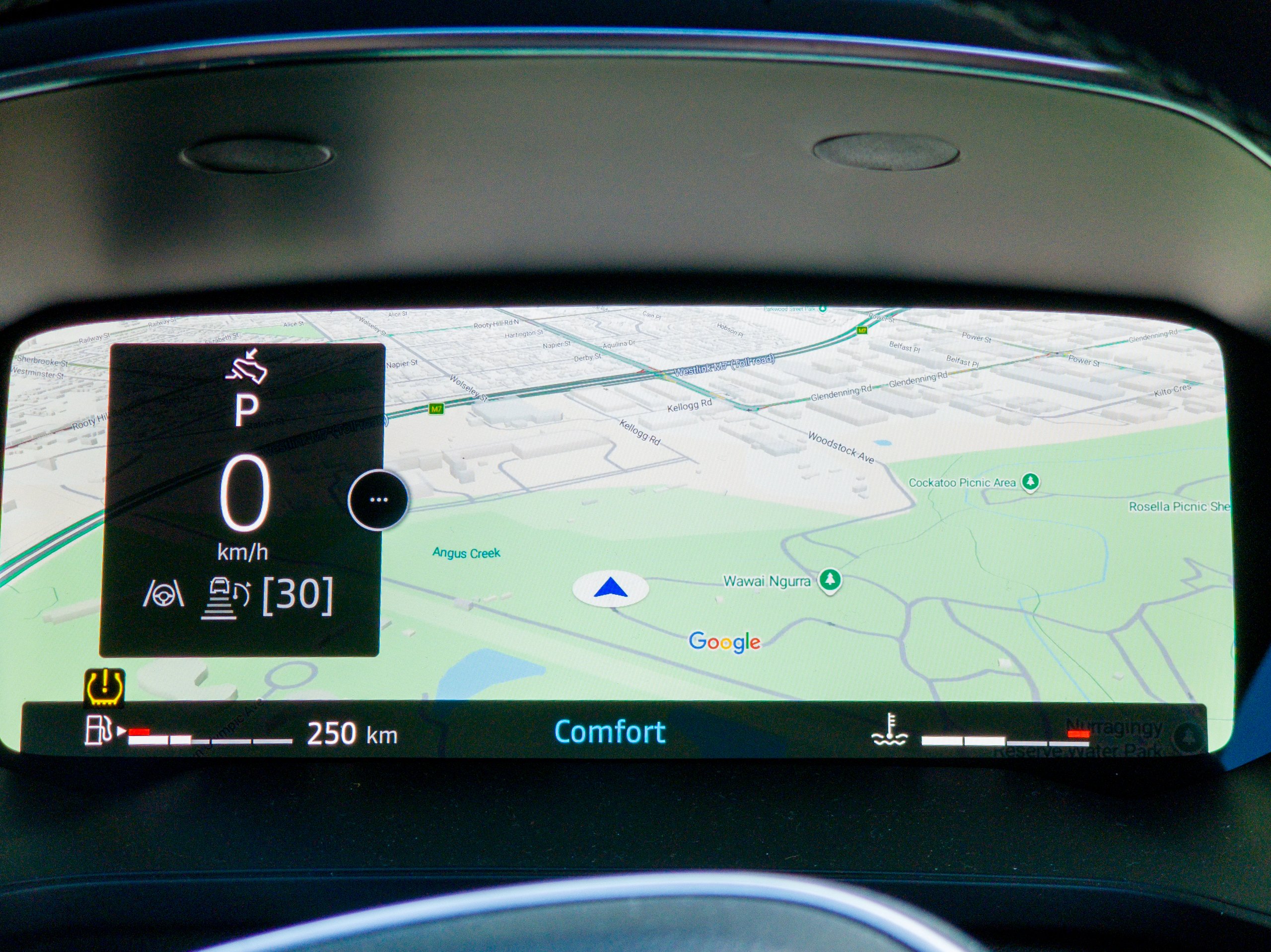
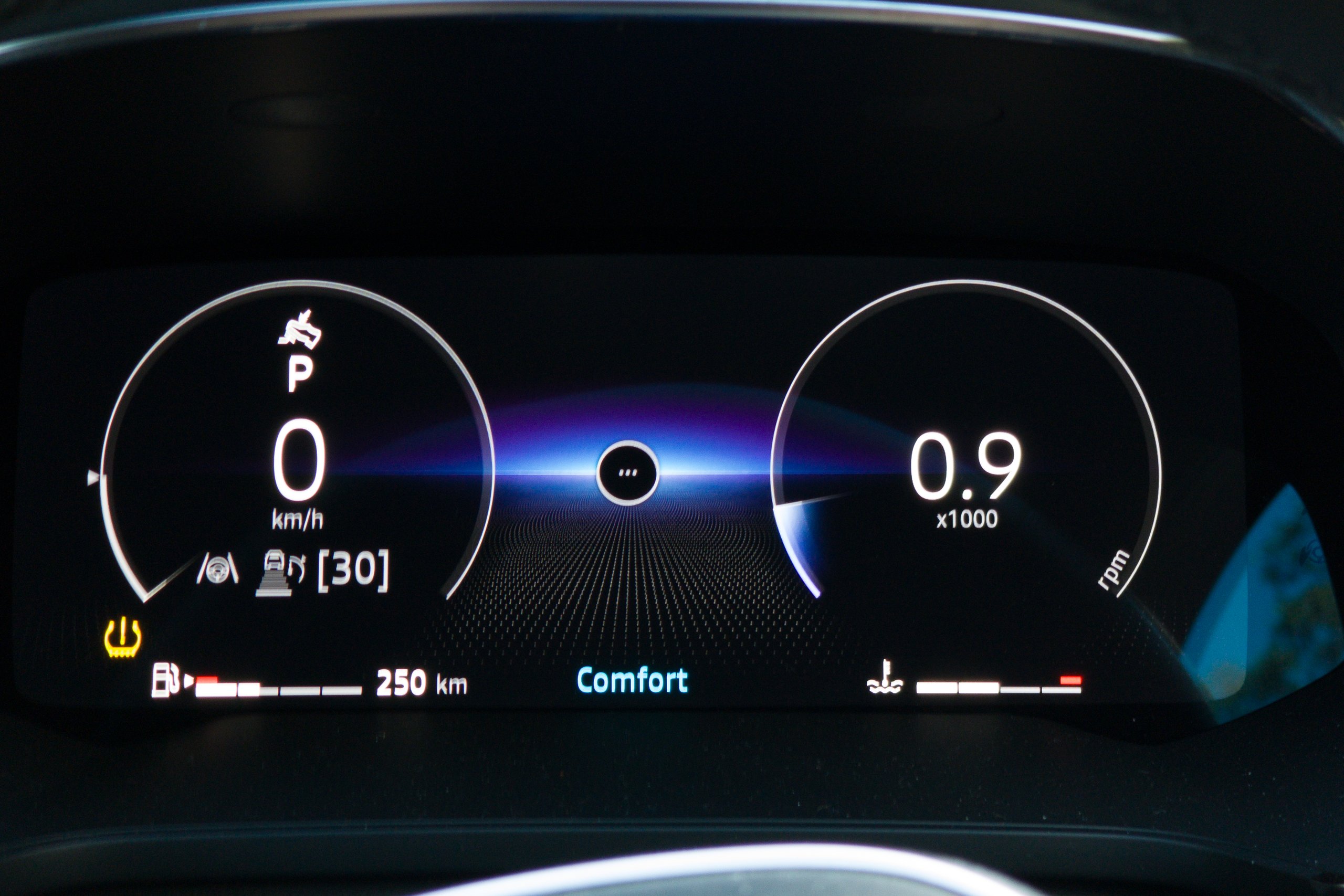
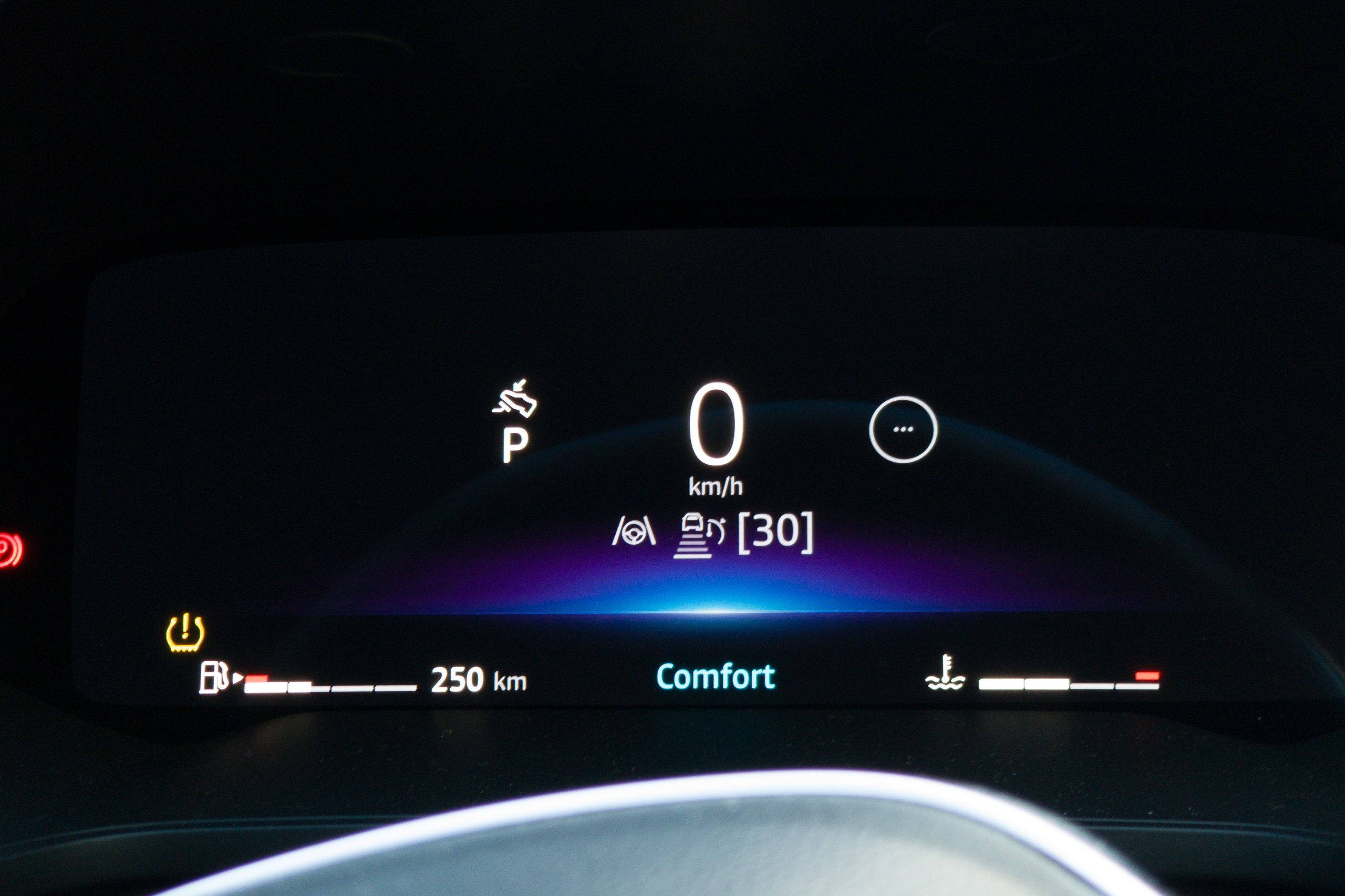
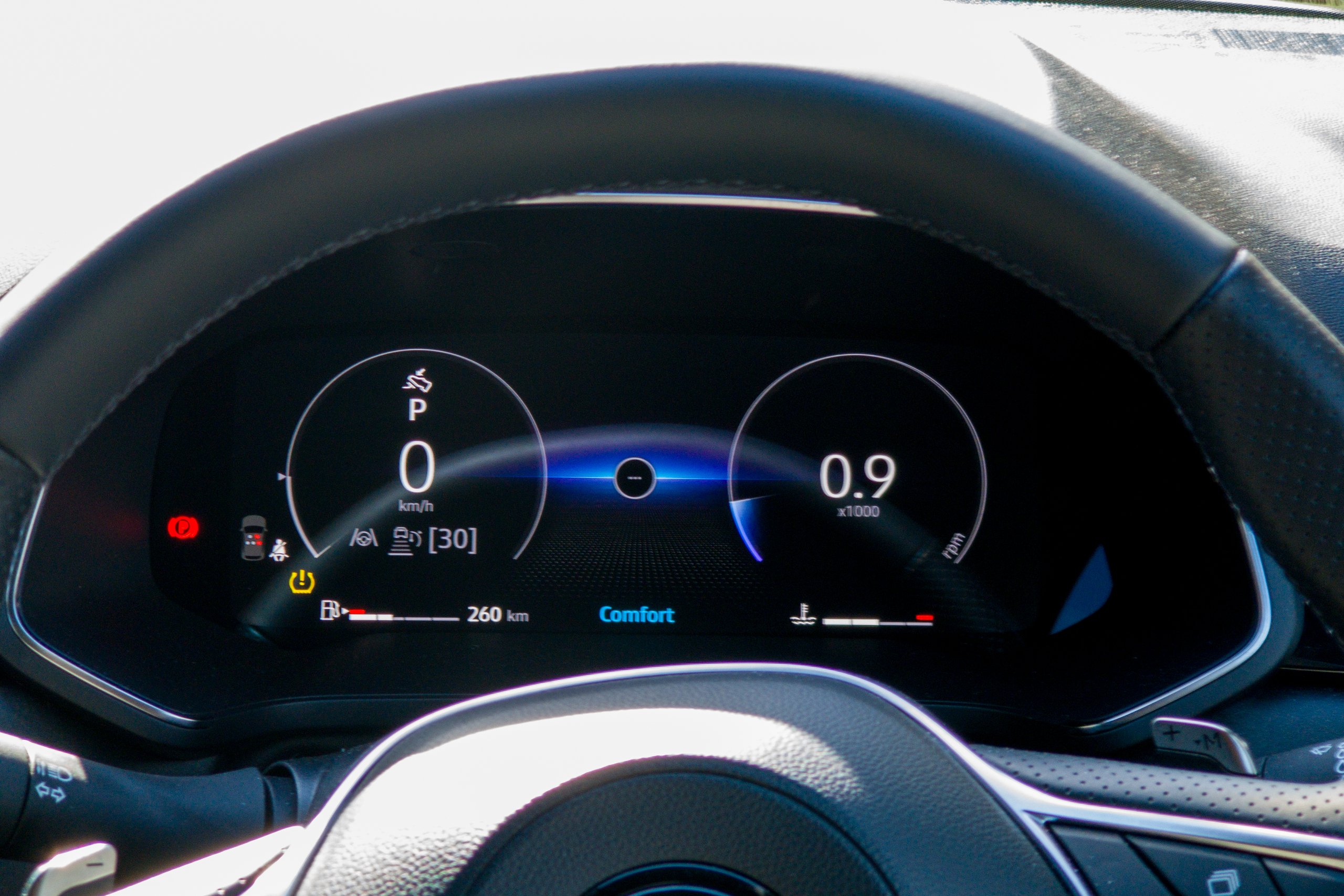
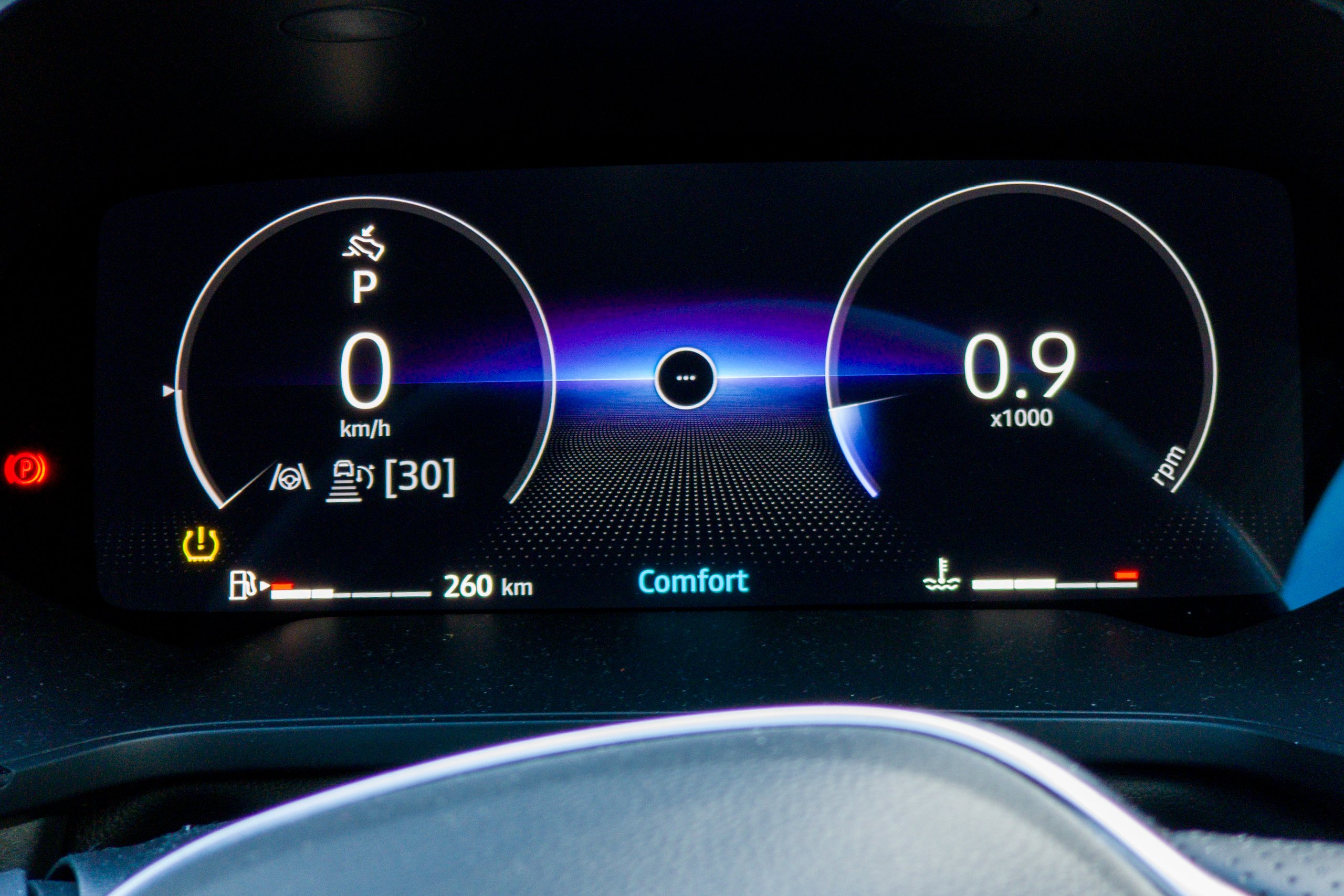
The feature I used most was the driver’s display. One of its layouts puts Google Maps straight into the 10.25-inch cluster, so your speed and the next turn sit in the same glance. I set it early and never changed it. Plenty of dearer cars still can’t do this.
The gearbox won me over too, which I didn’t expect to write on an eco site. It’s a seven-speed dual-clutch, so you can hold a gear as long as you want, feel the shift, then ease back into the acceleration. There’s a sense of flow to it that you never get in an EV or a hybrid, which are more on and off.
The controls took the longest. I switched the hazard lights on by accident and had to hunt for how to turn them off, and I’d changed the volume twice before I found the volume stalk. It’s Renault switchgear and it takes learning. It faded rather than festered, and by the end of the week the stalk was one of my favourite things in the car.
At some point I started wondering what it would be like to Uber in one of these. I got about 7.8L/100km out of my 2017 doing rideshare, so seeing the fuel consumption improve was nice. But the snug interior kept making me think about what kind of car I was in.
What does the Mitsubishi ASX Aspire look like?
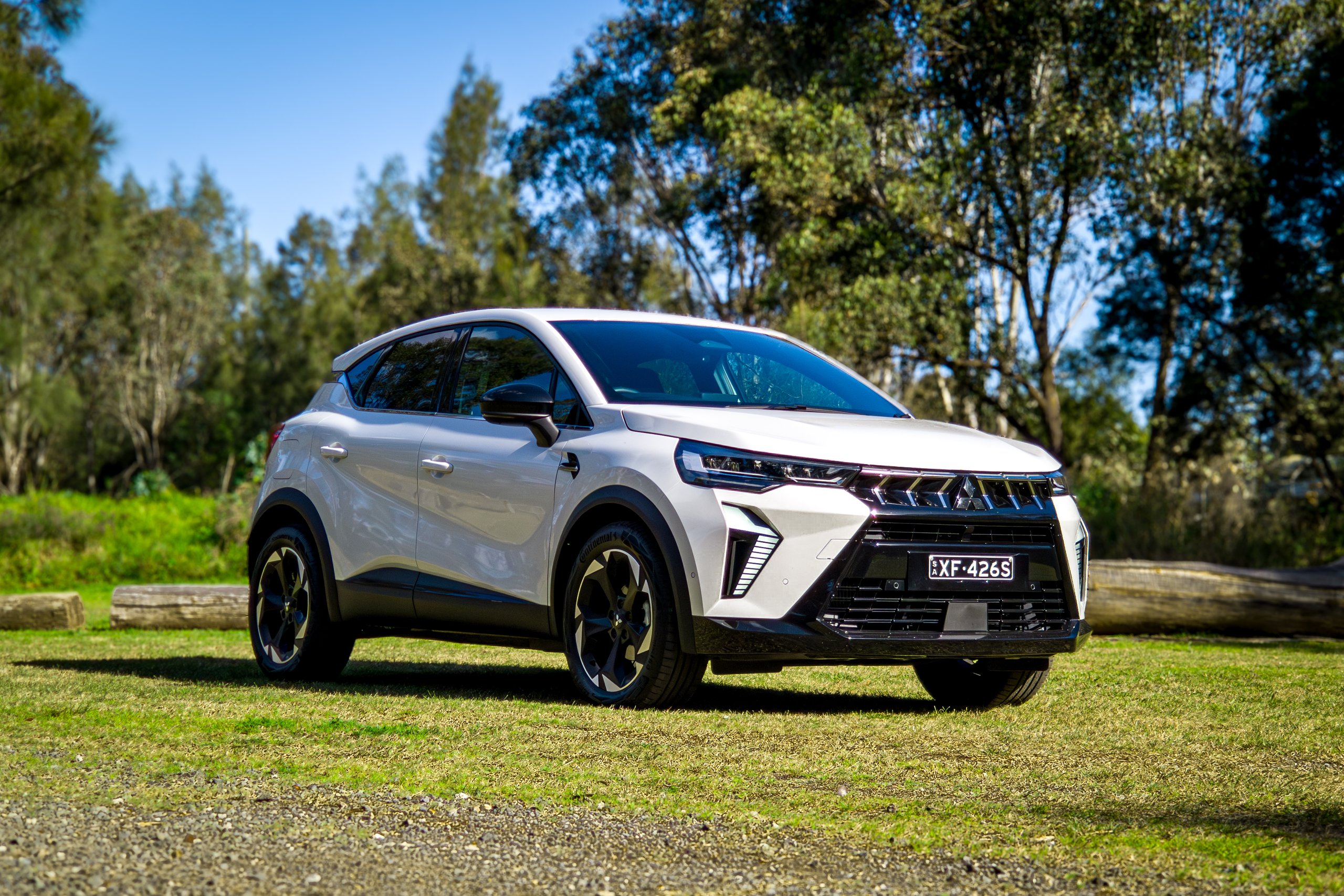
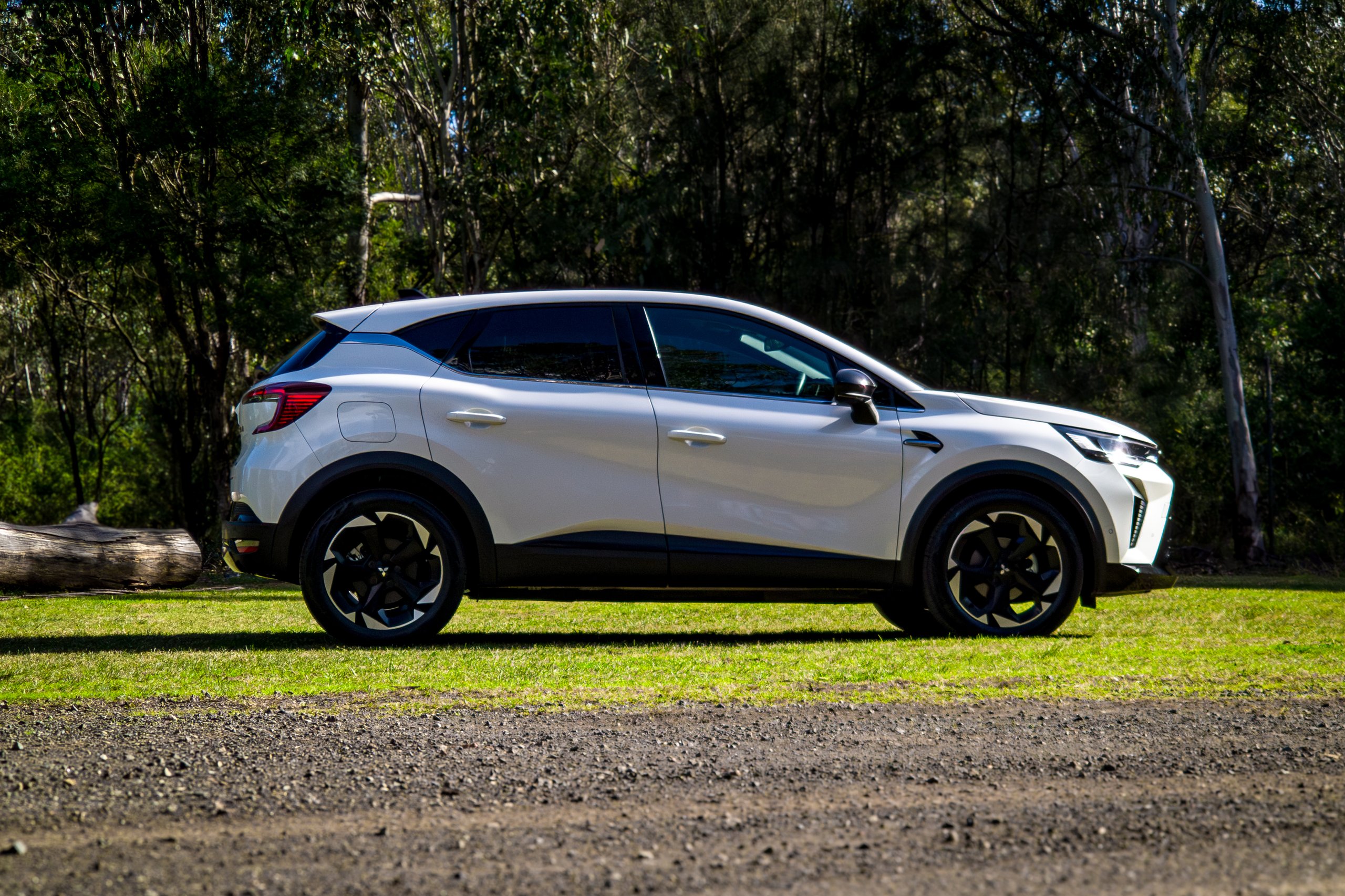
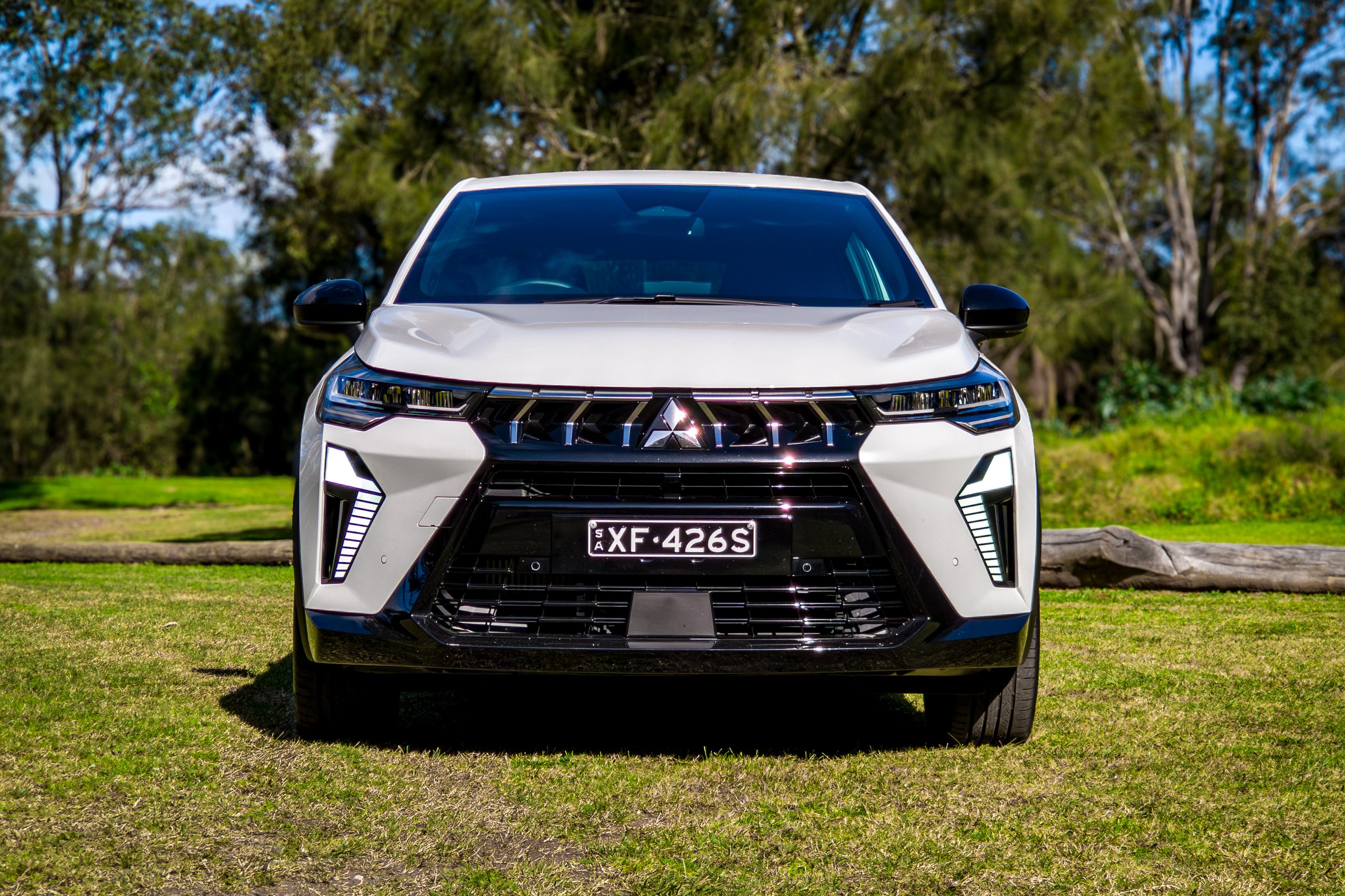
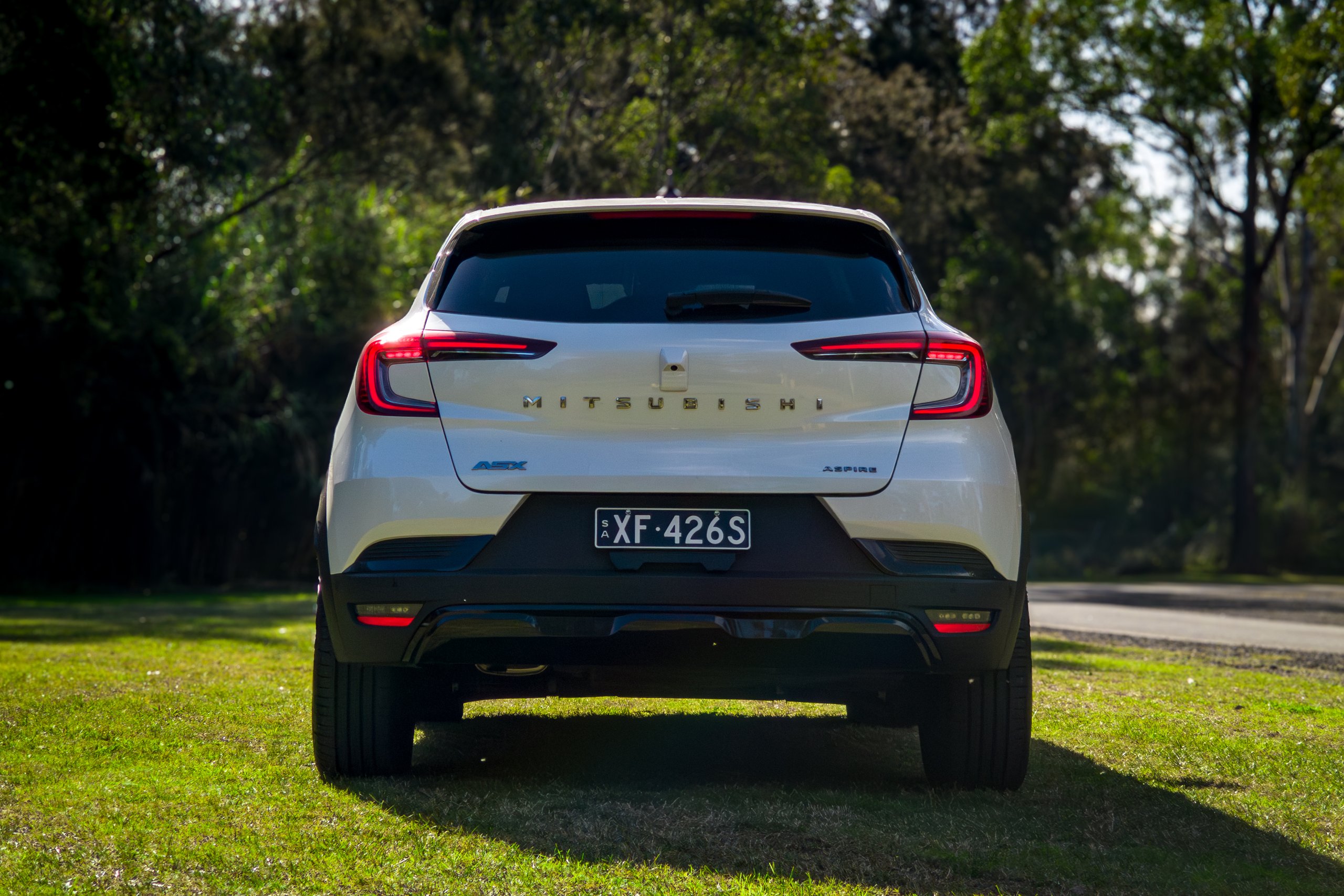
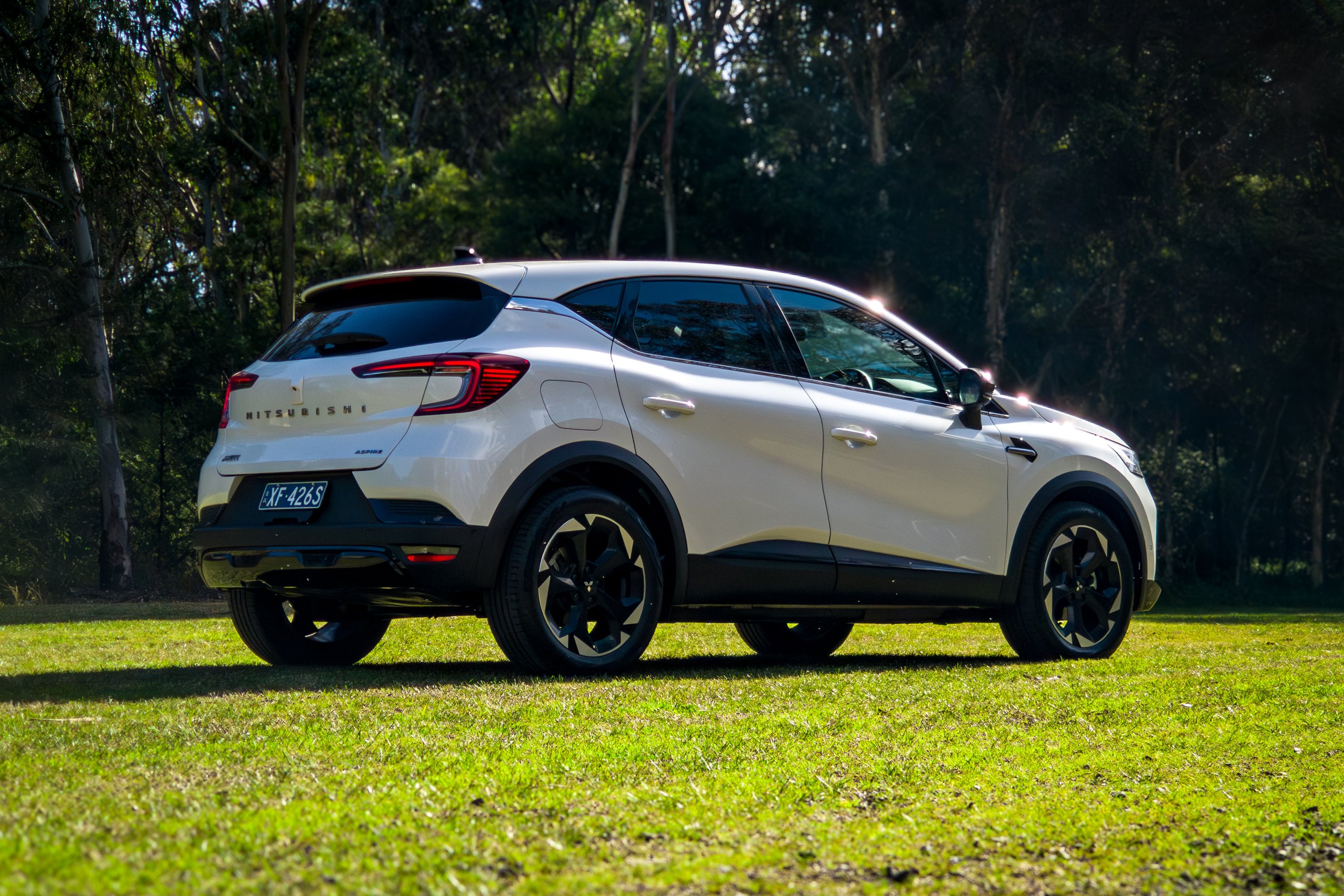
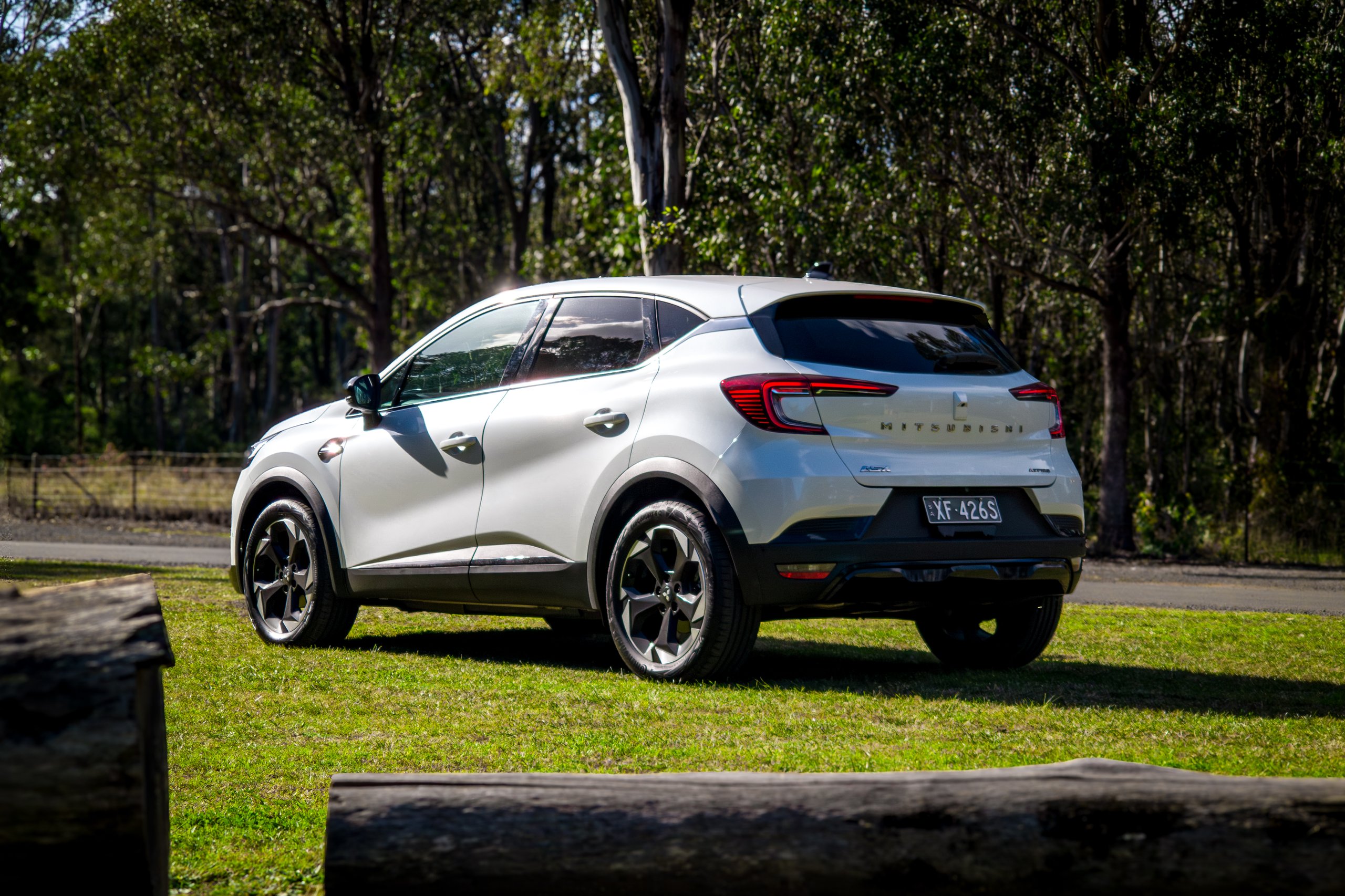
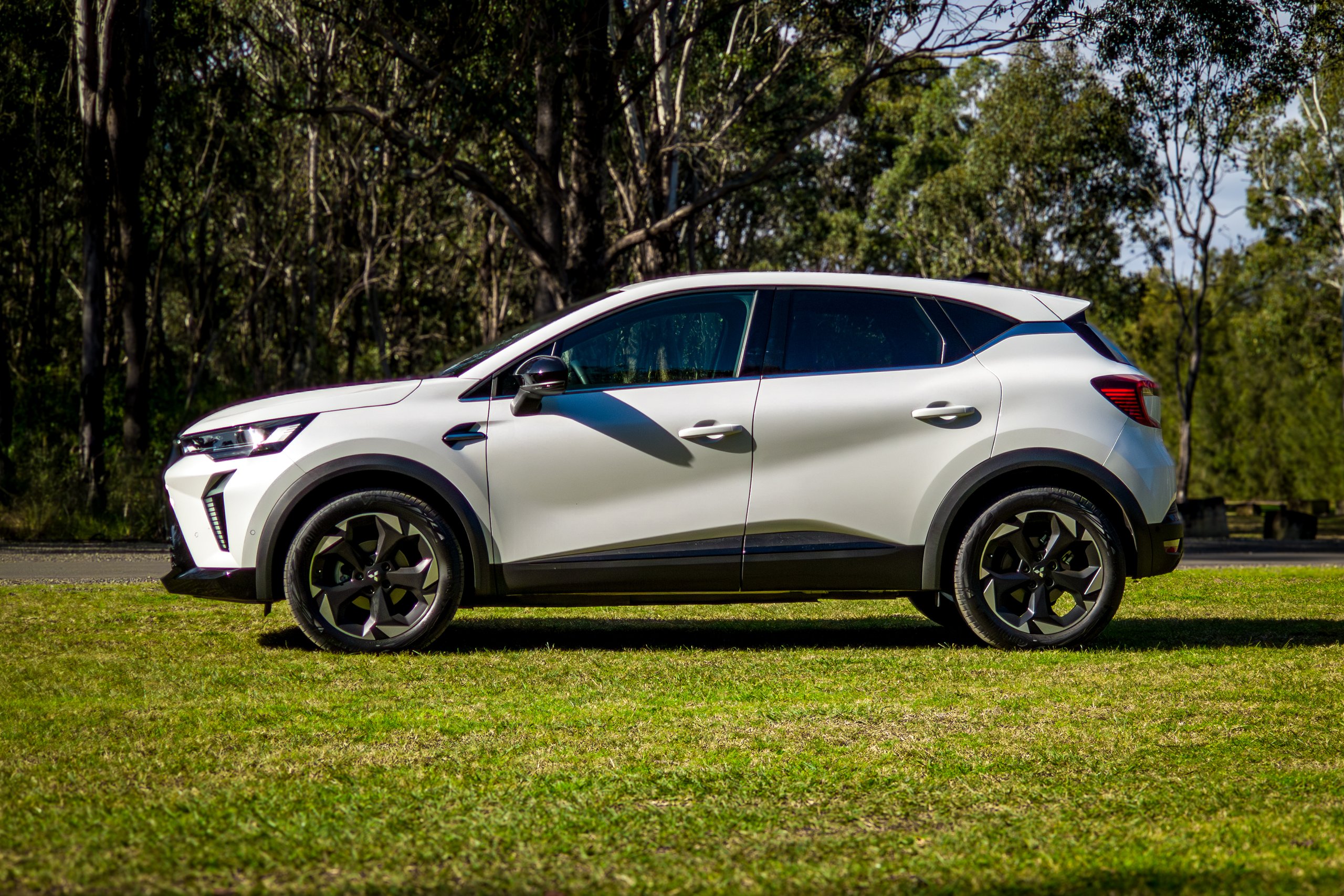
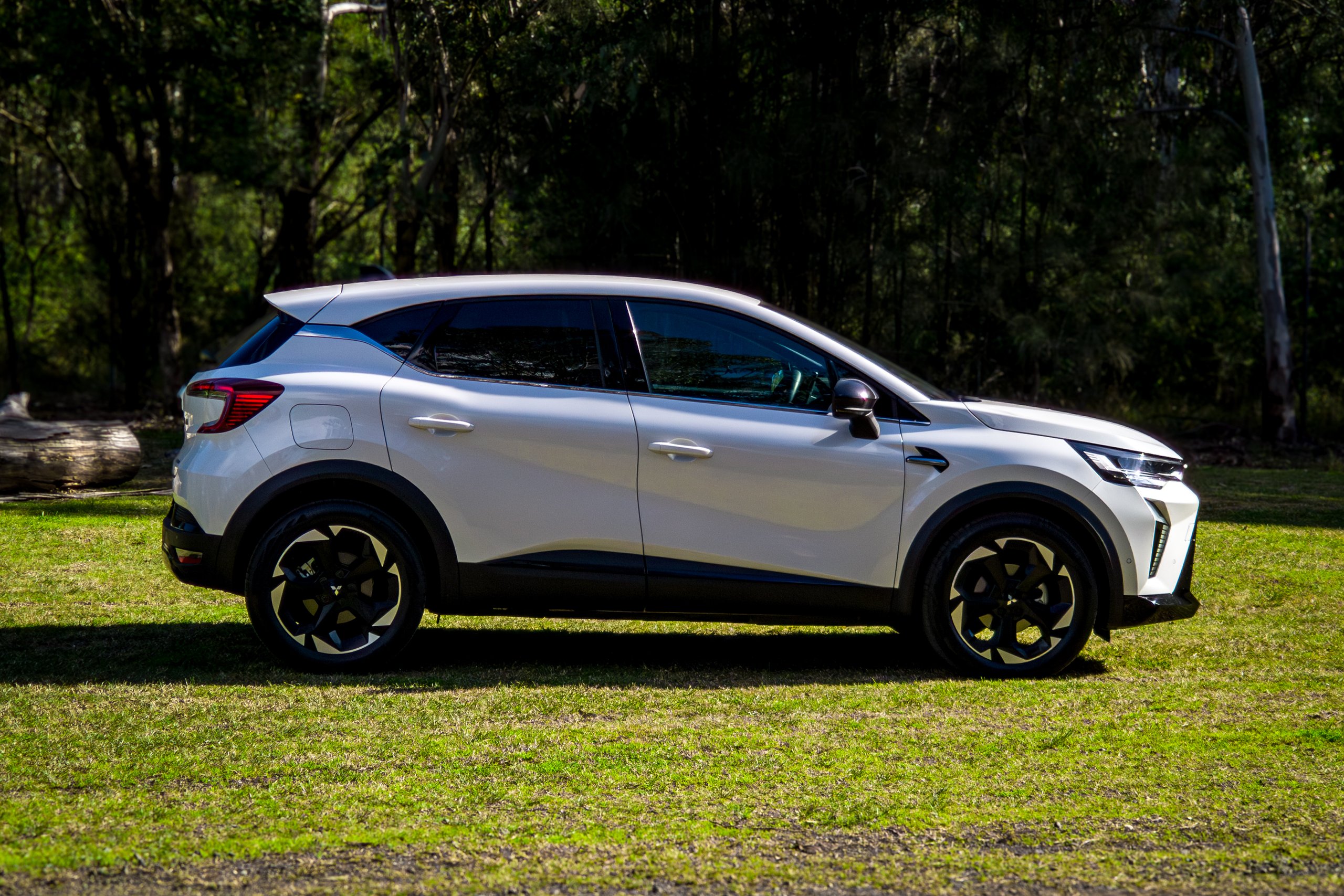
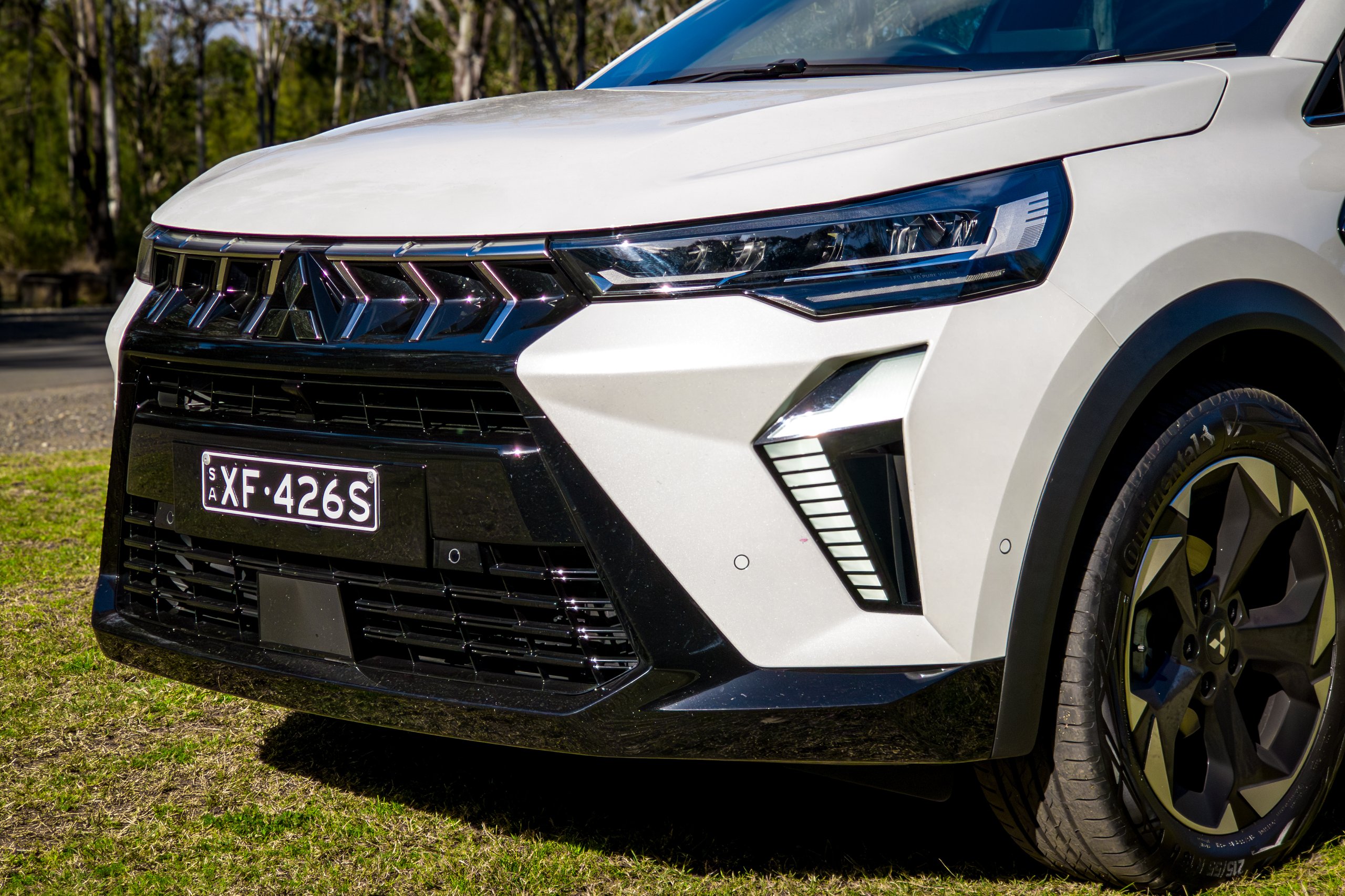
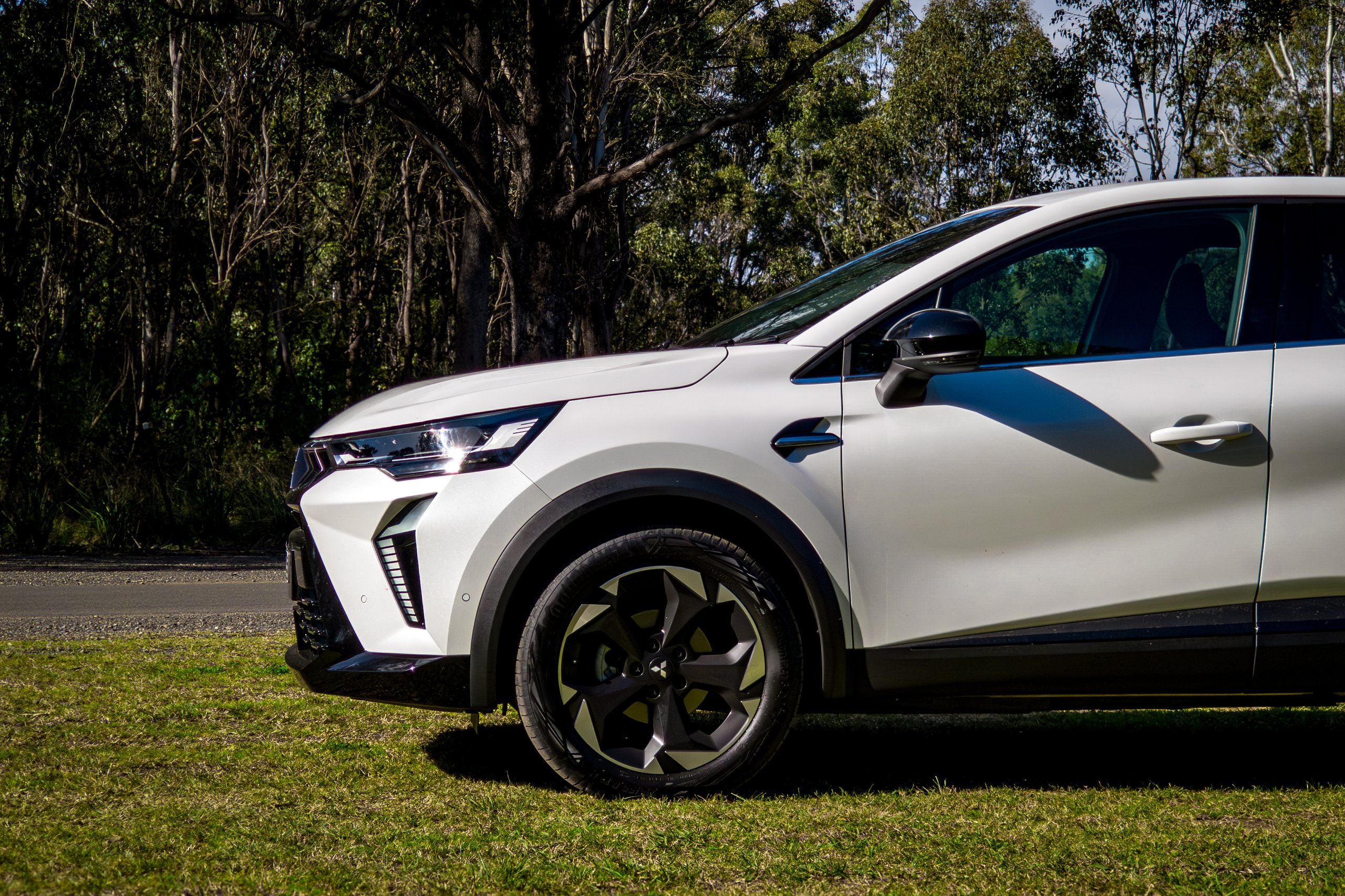
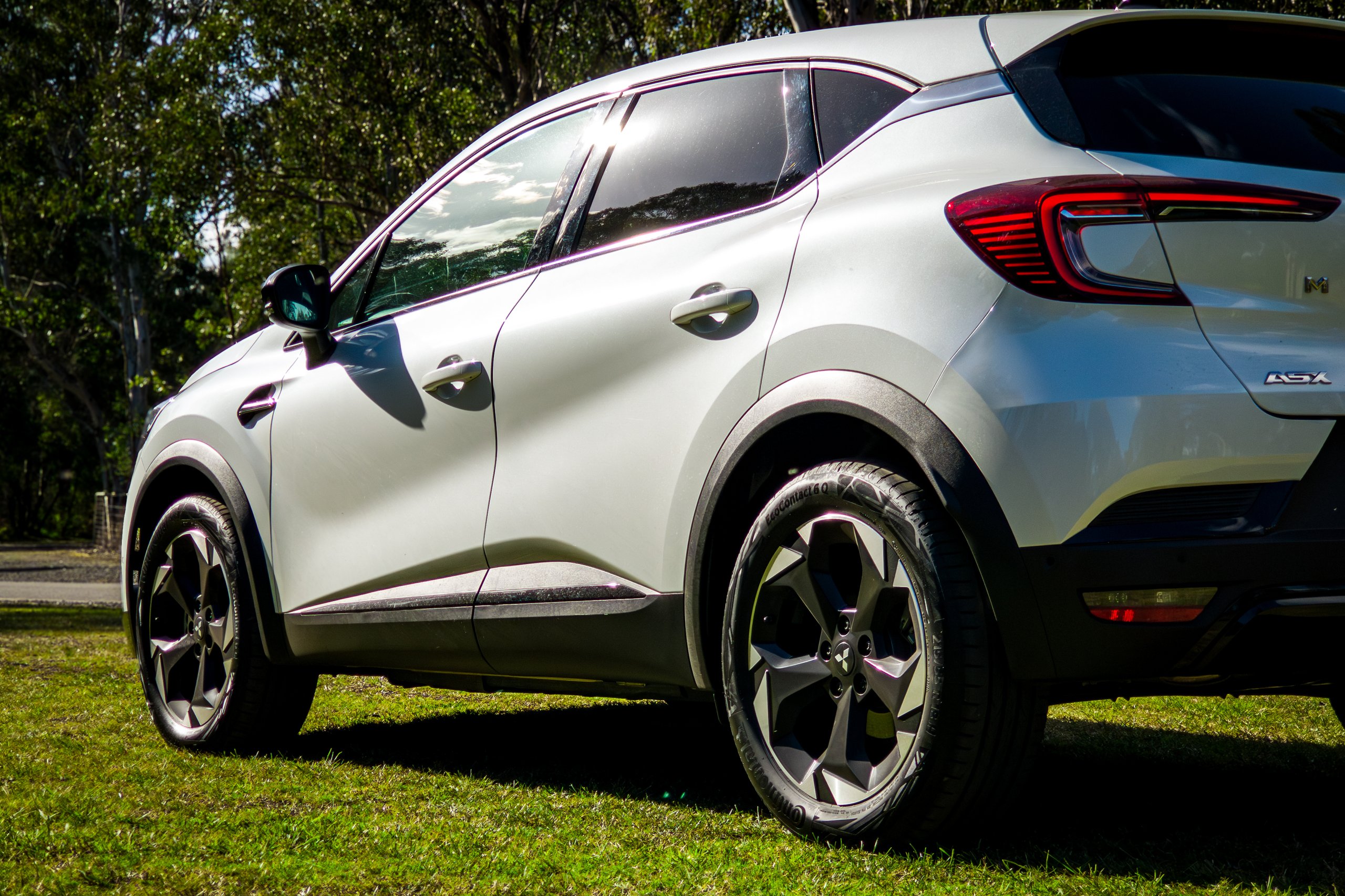
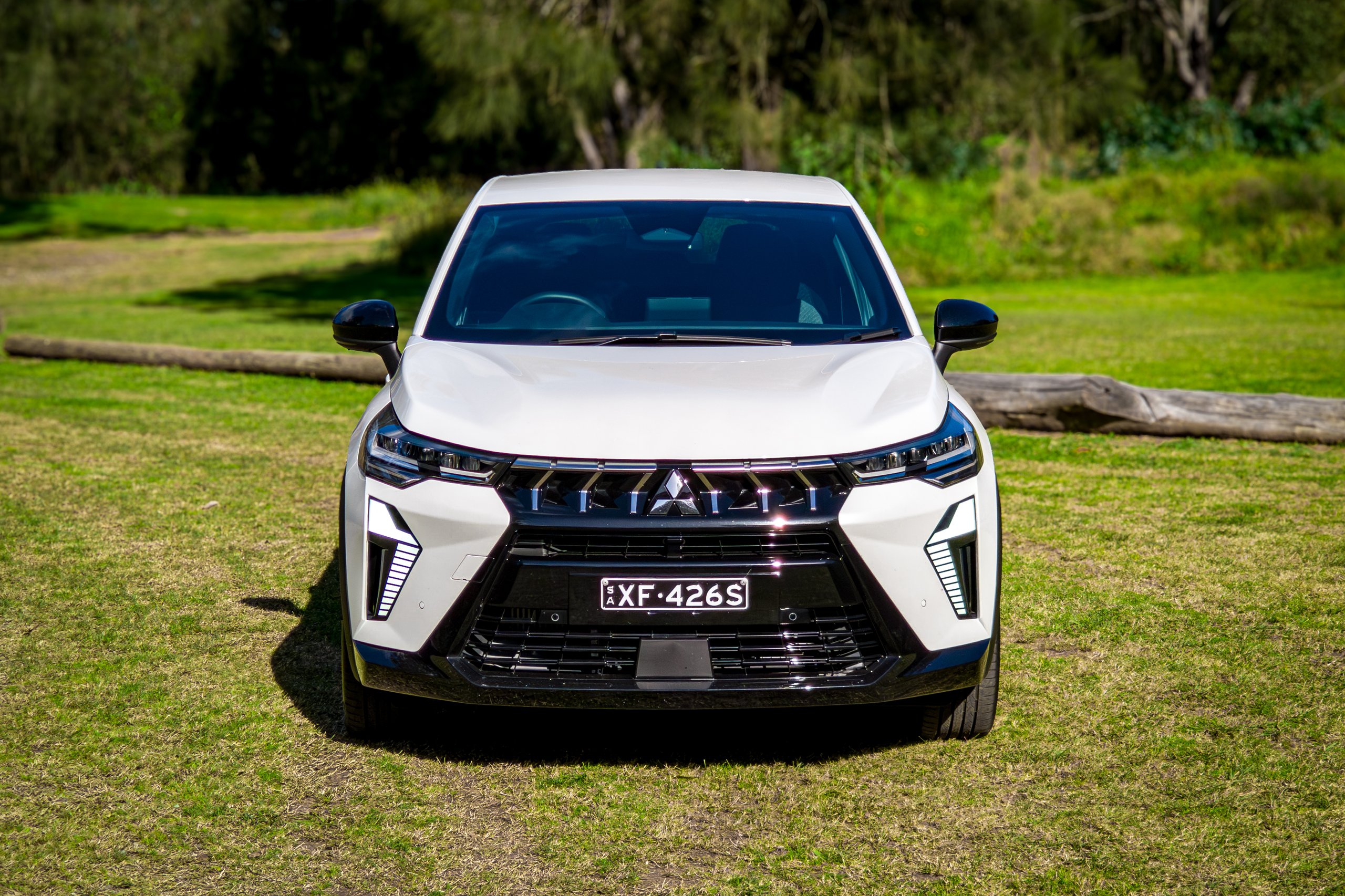
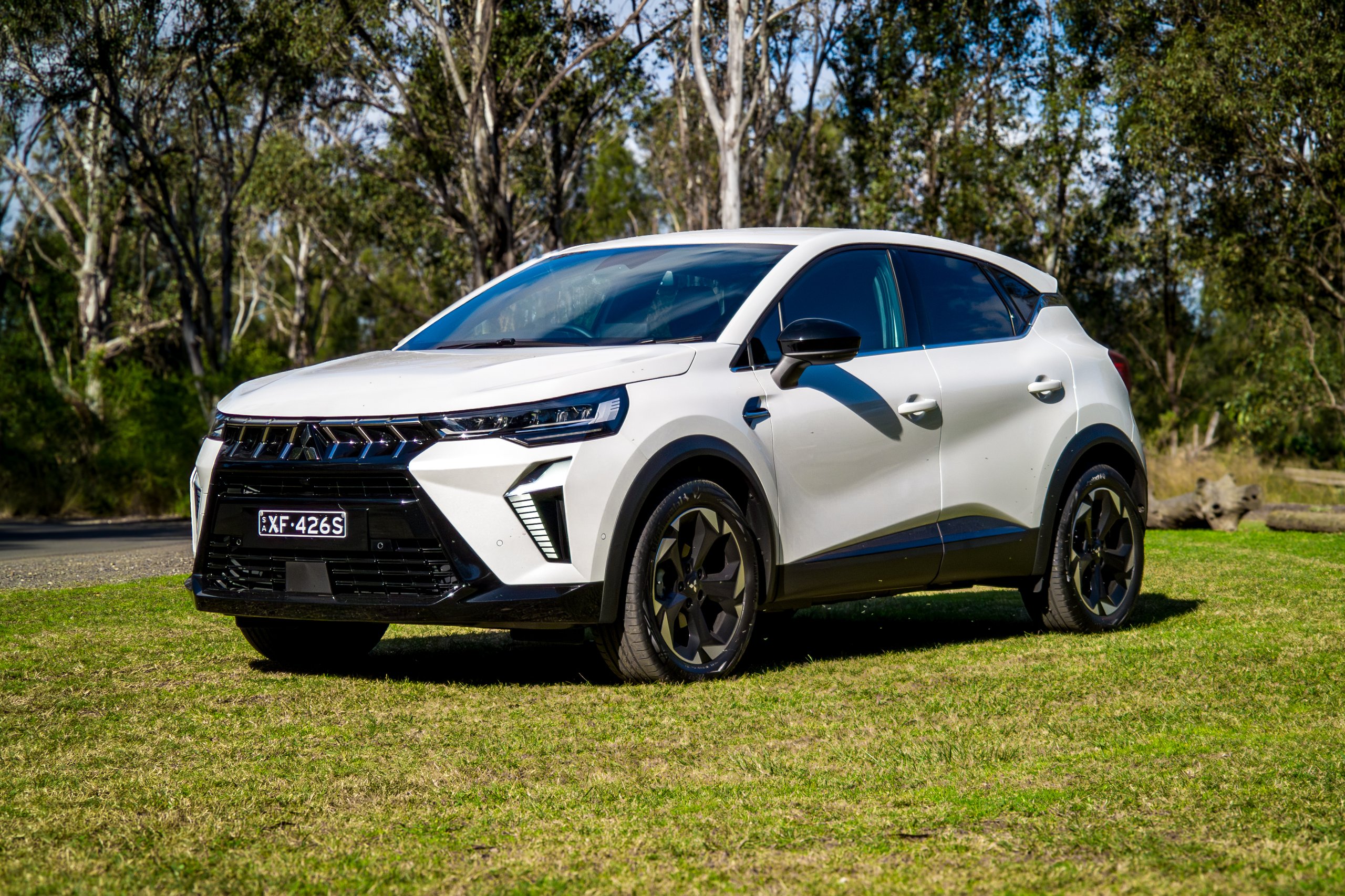
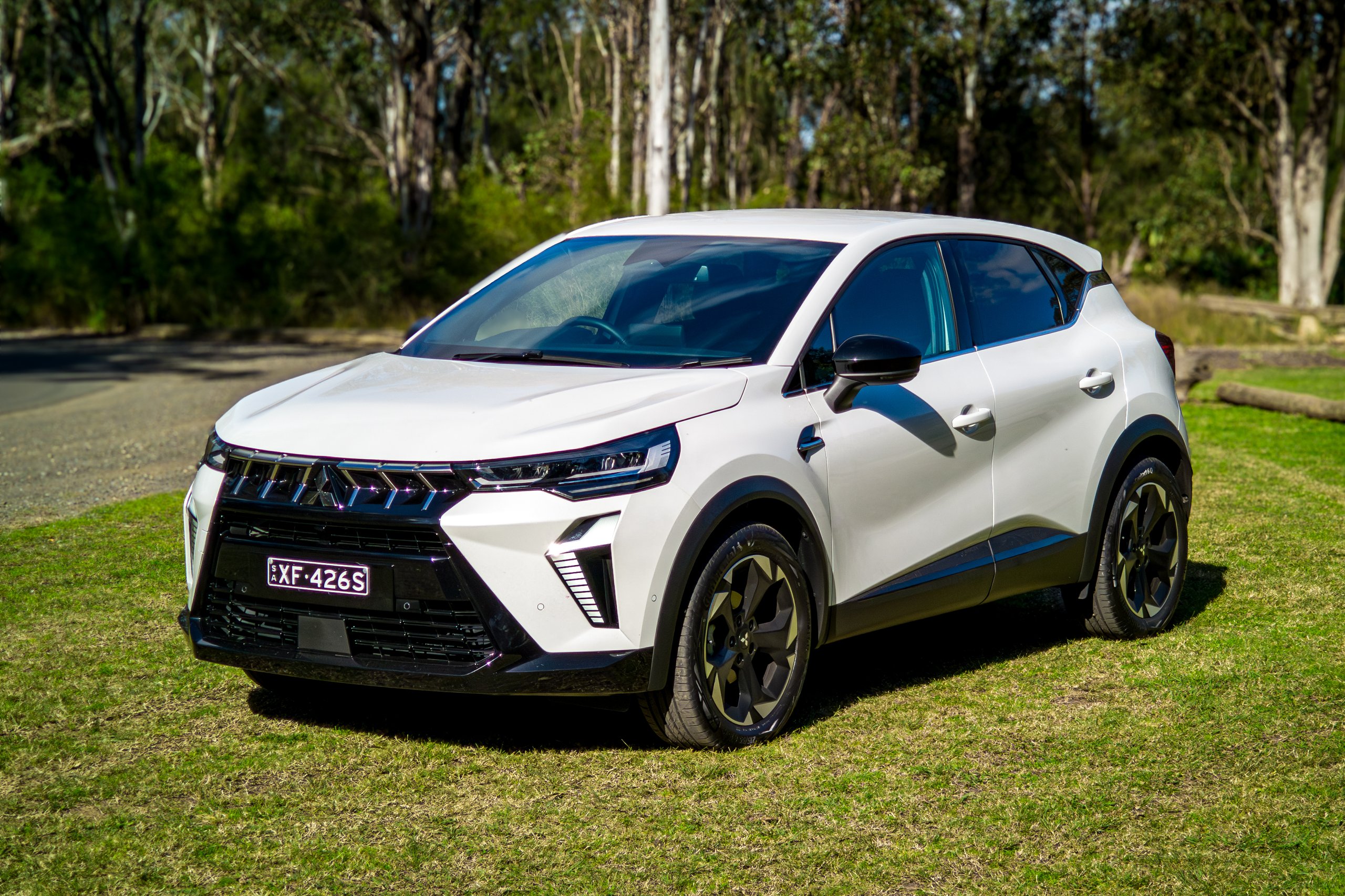
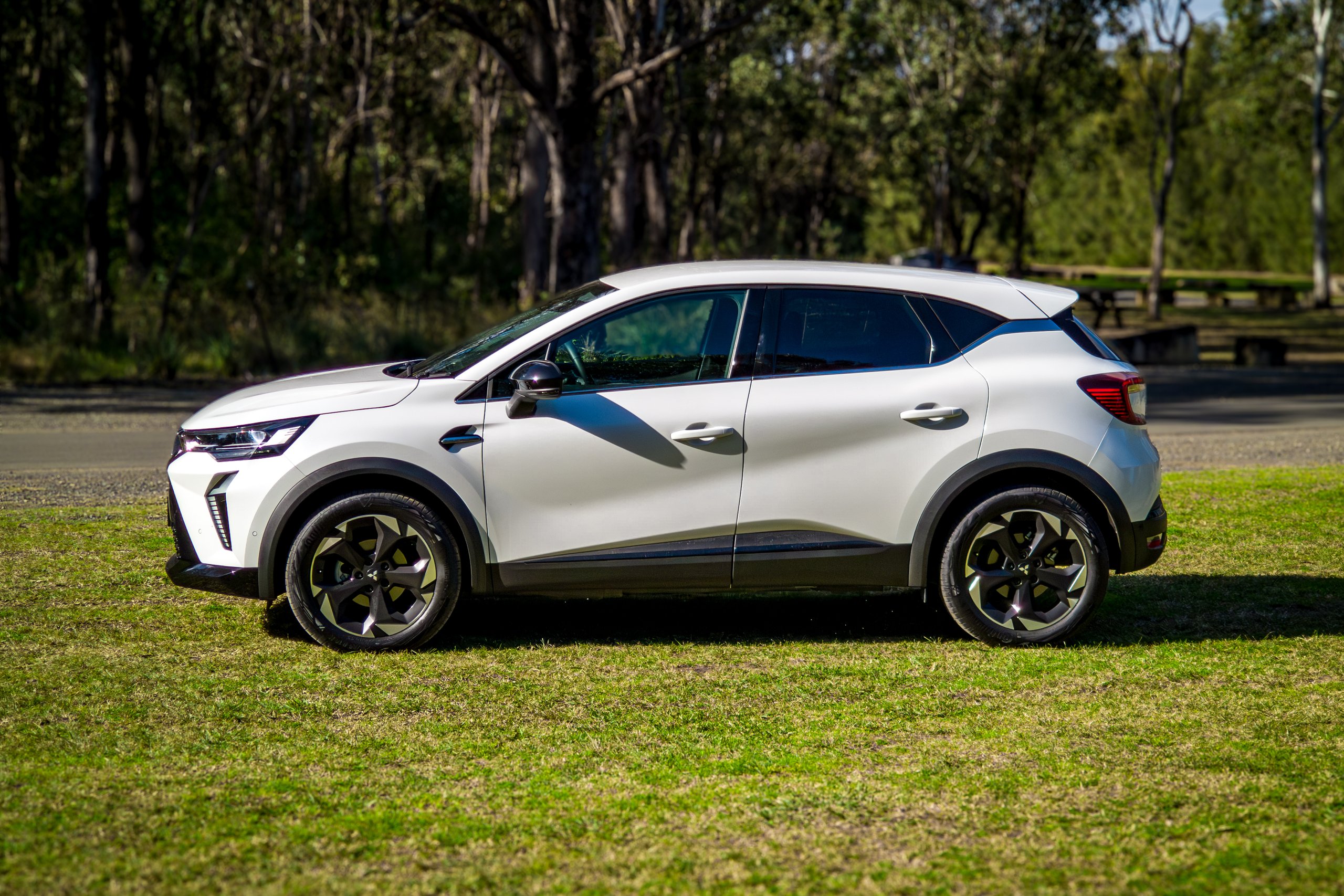
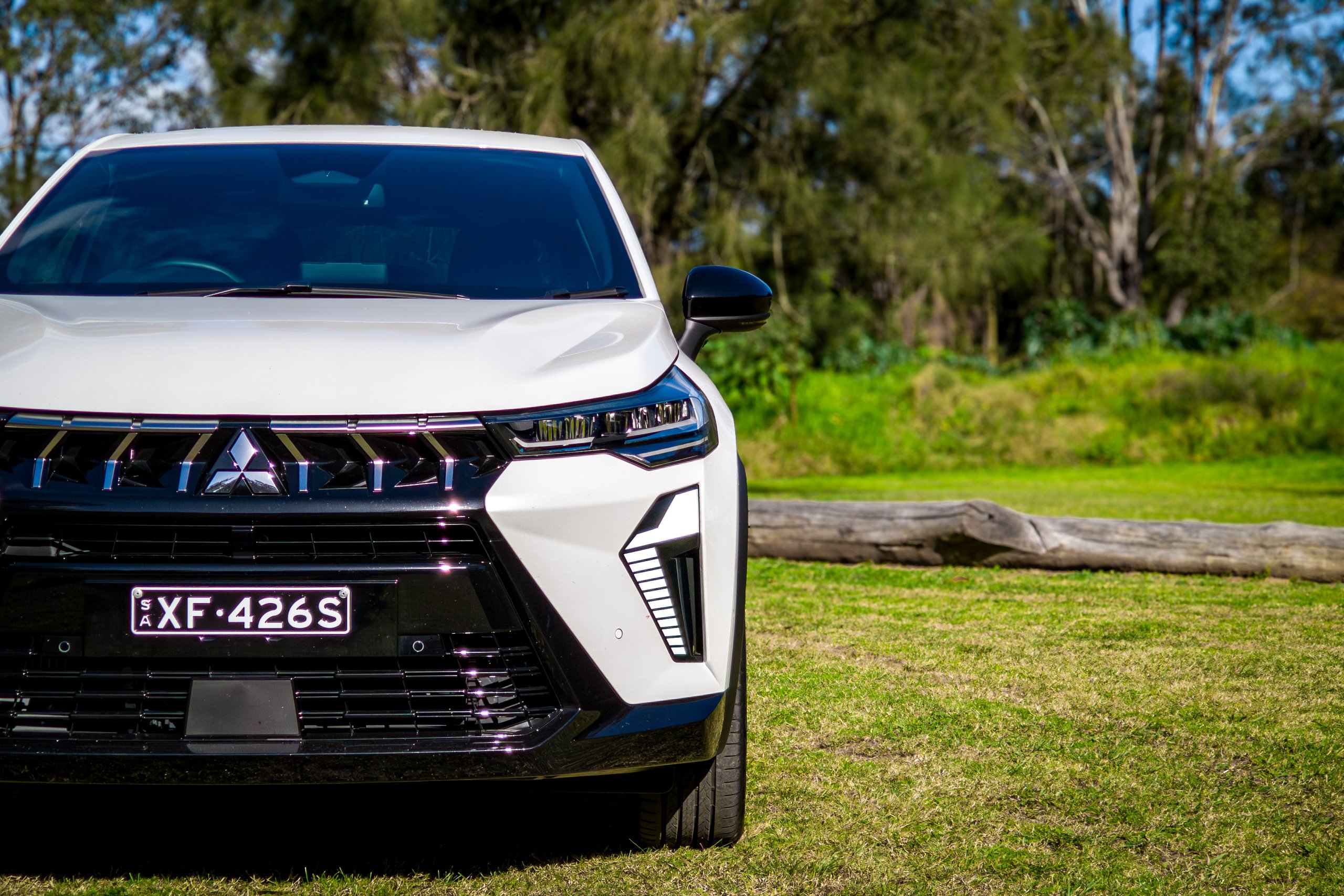
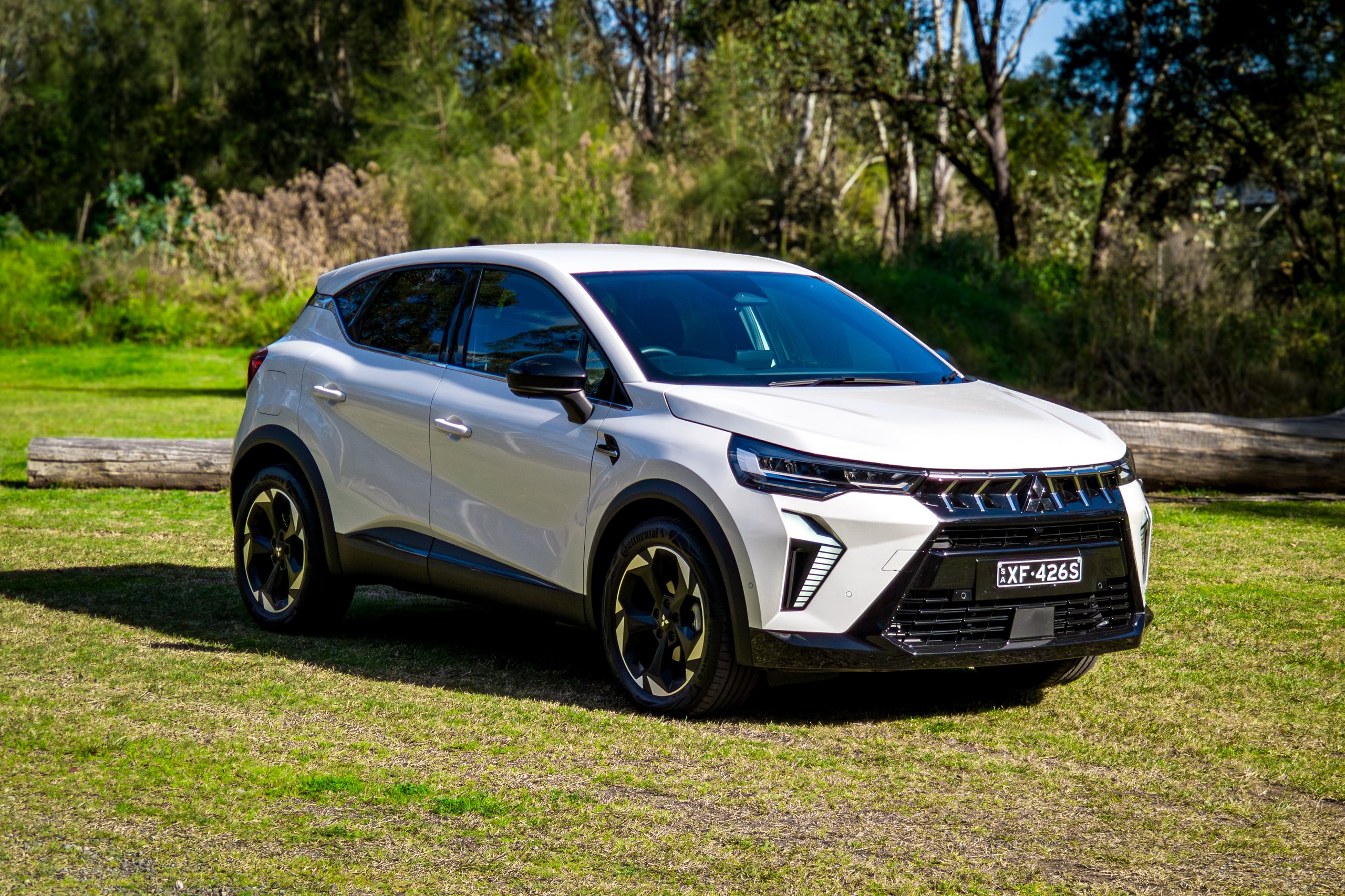
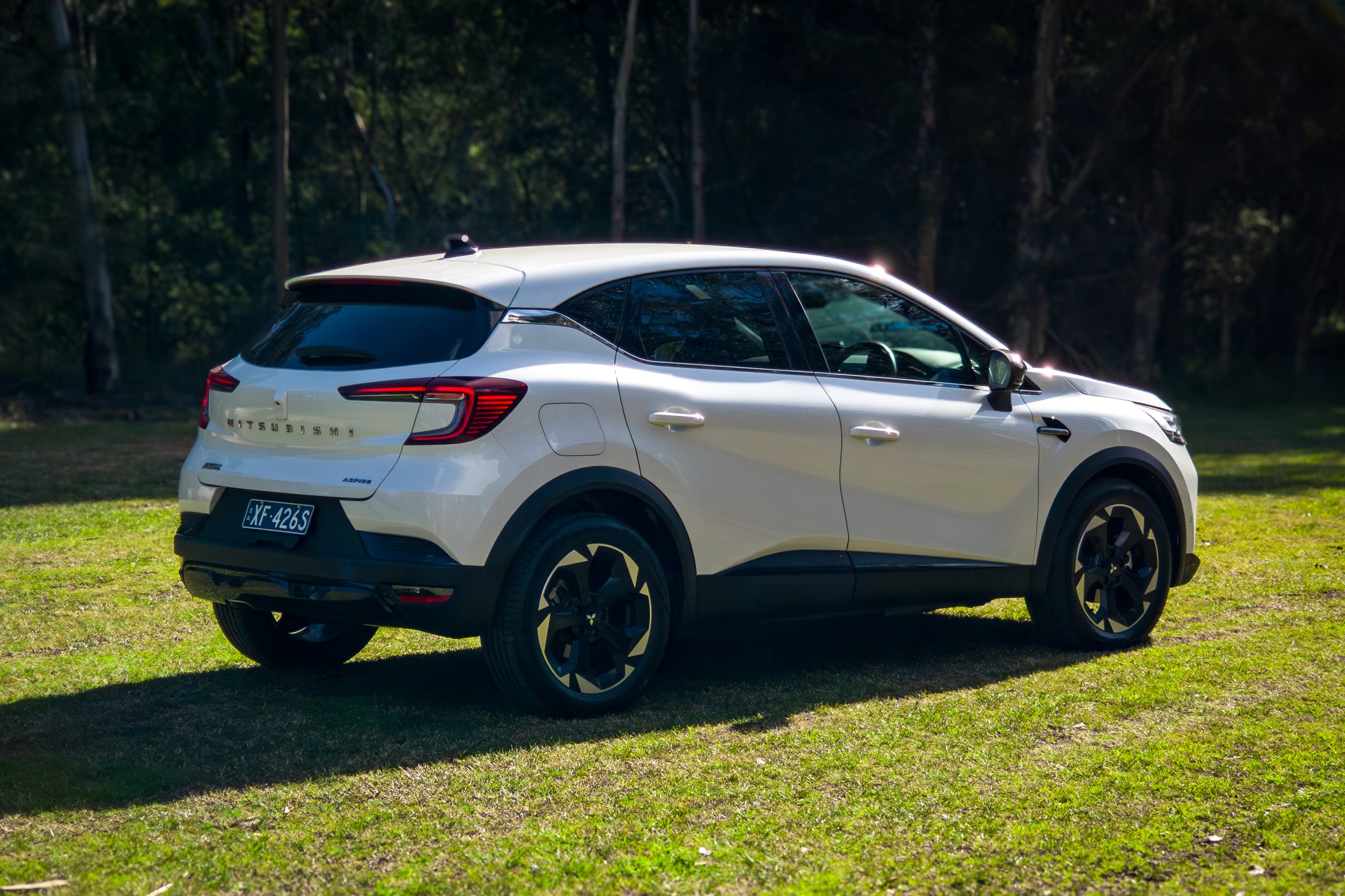
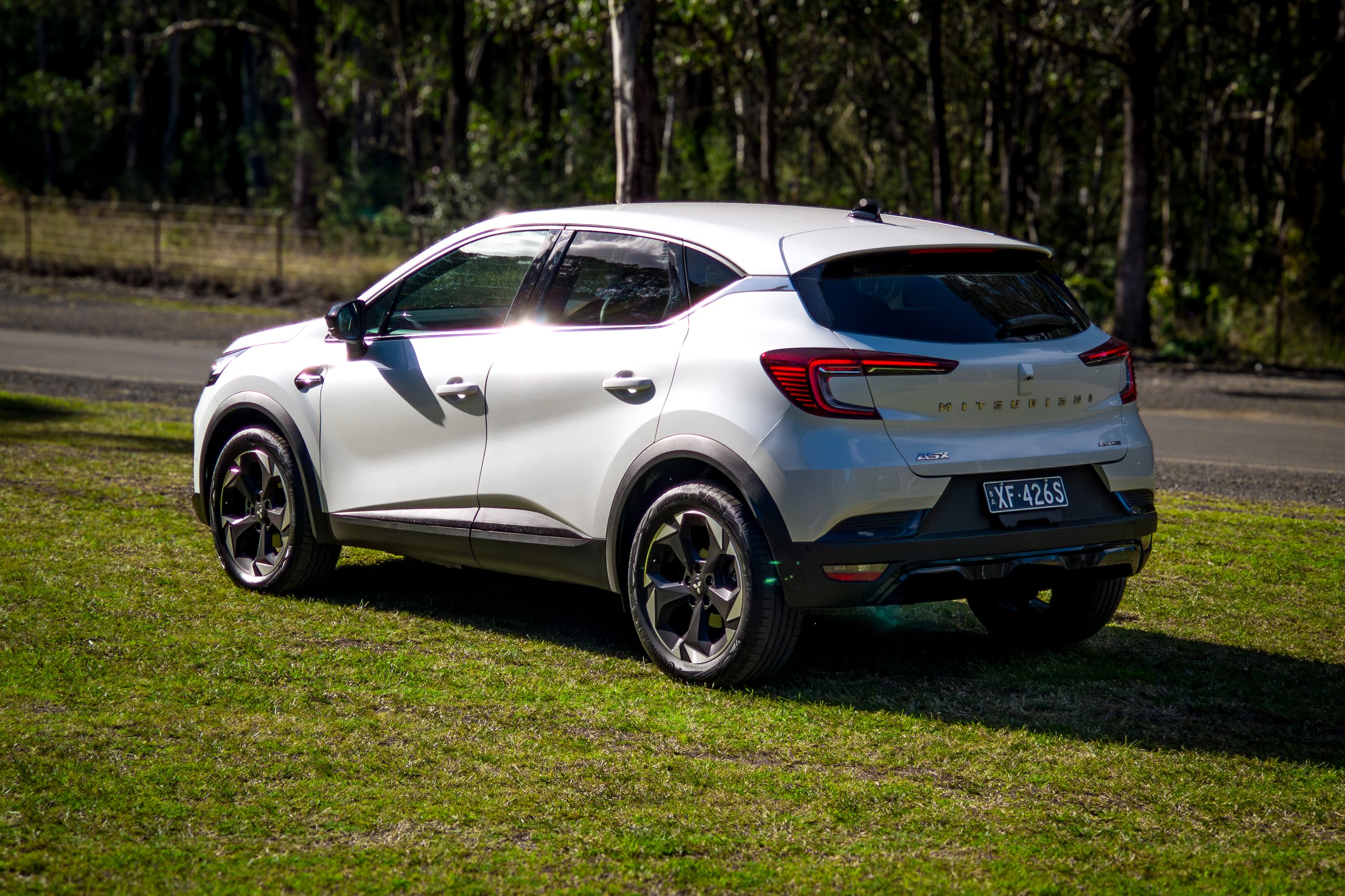
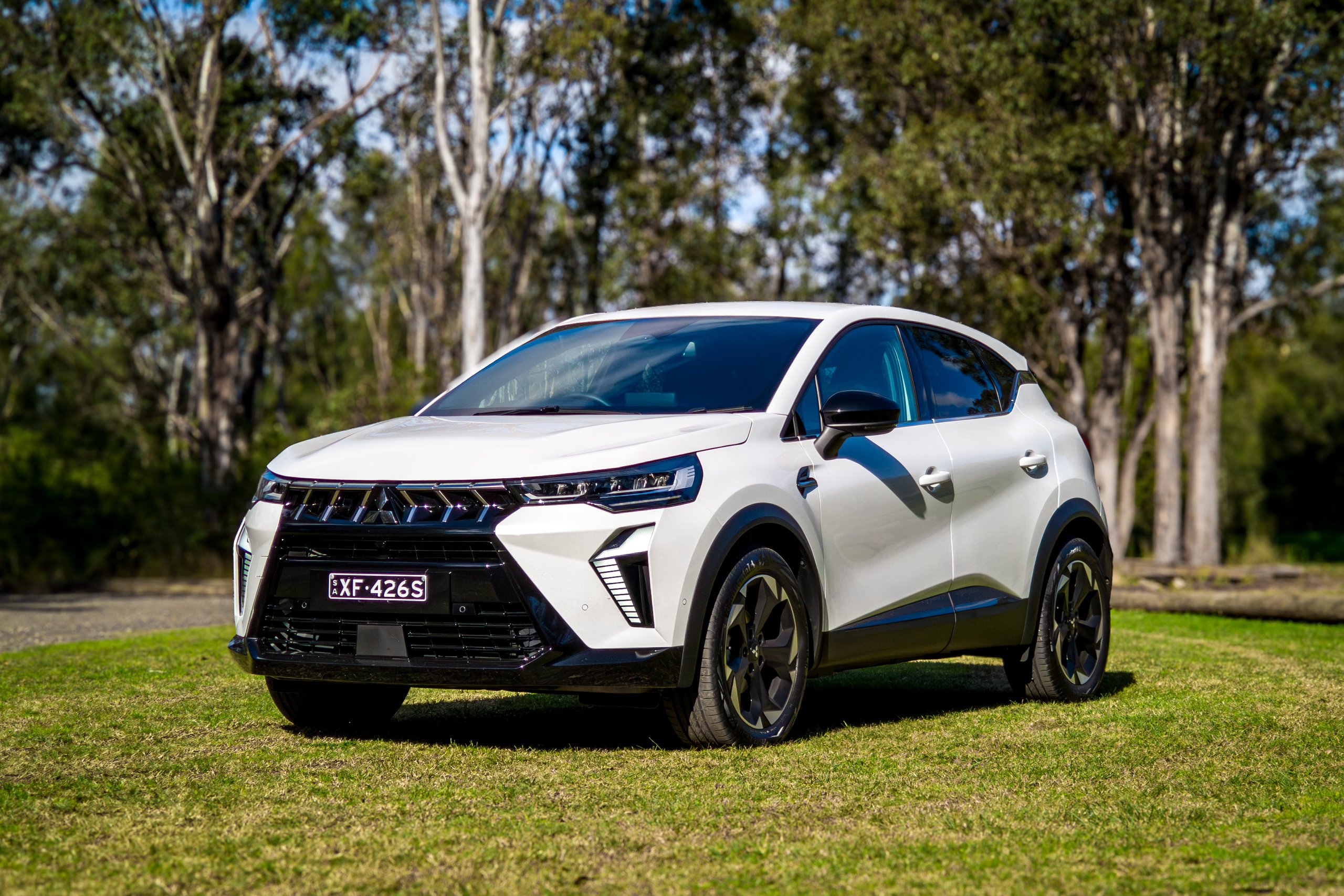
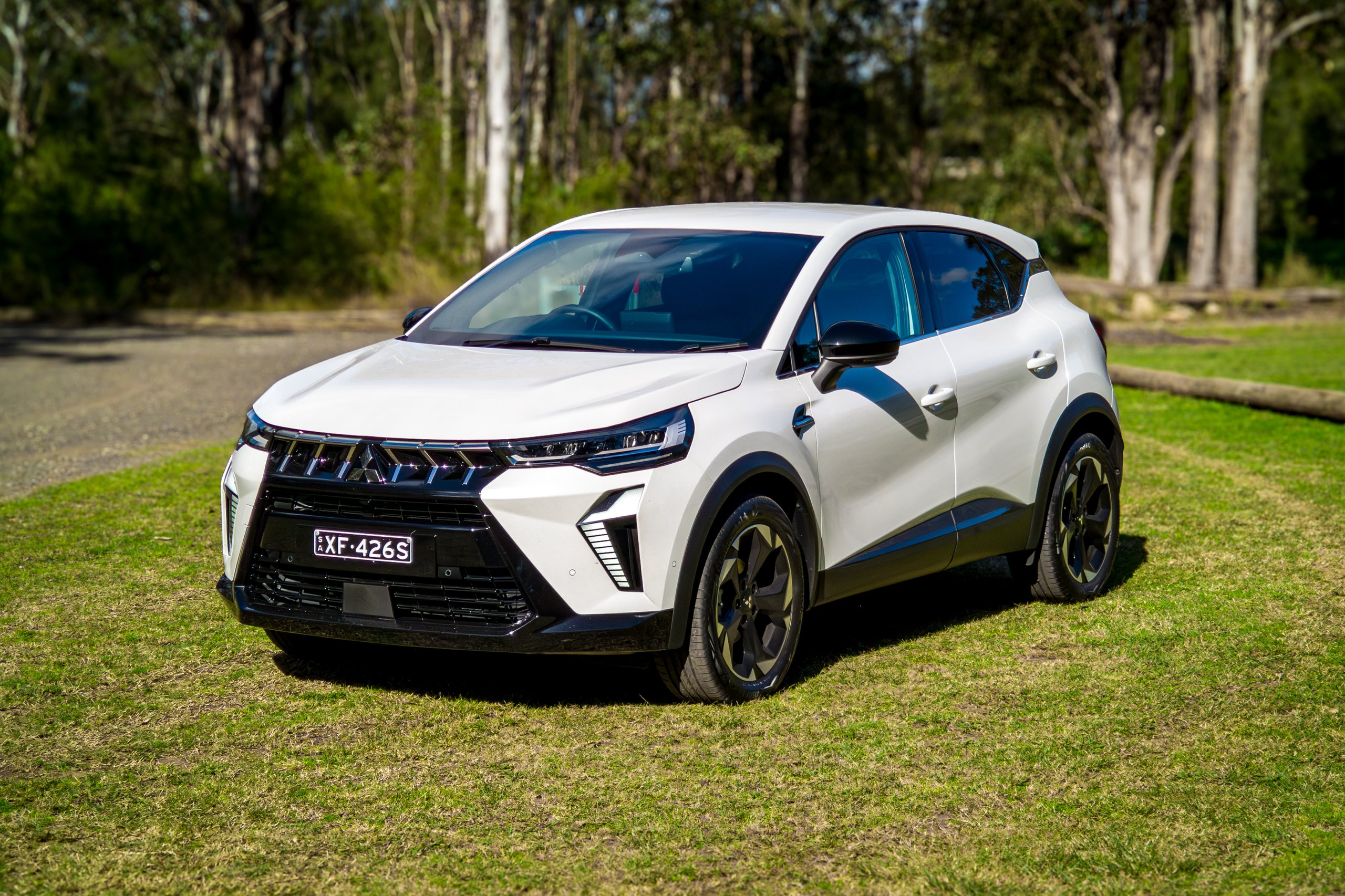
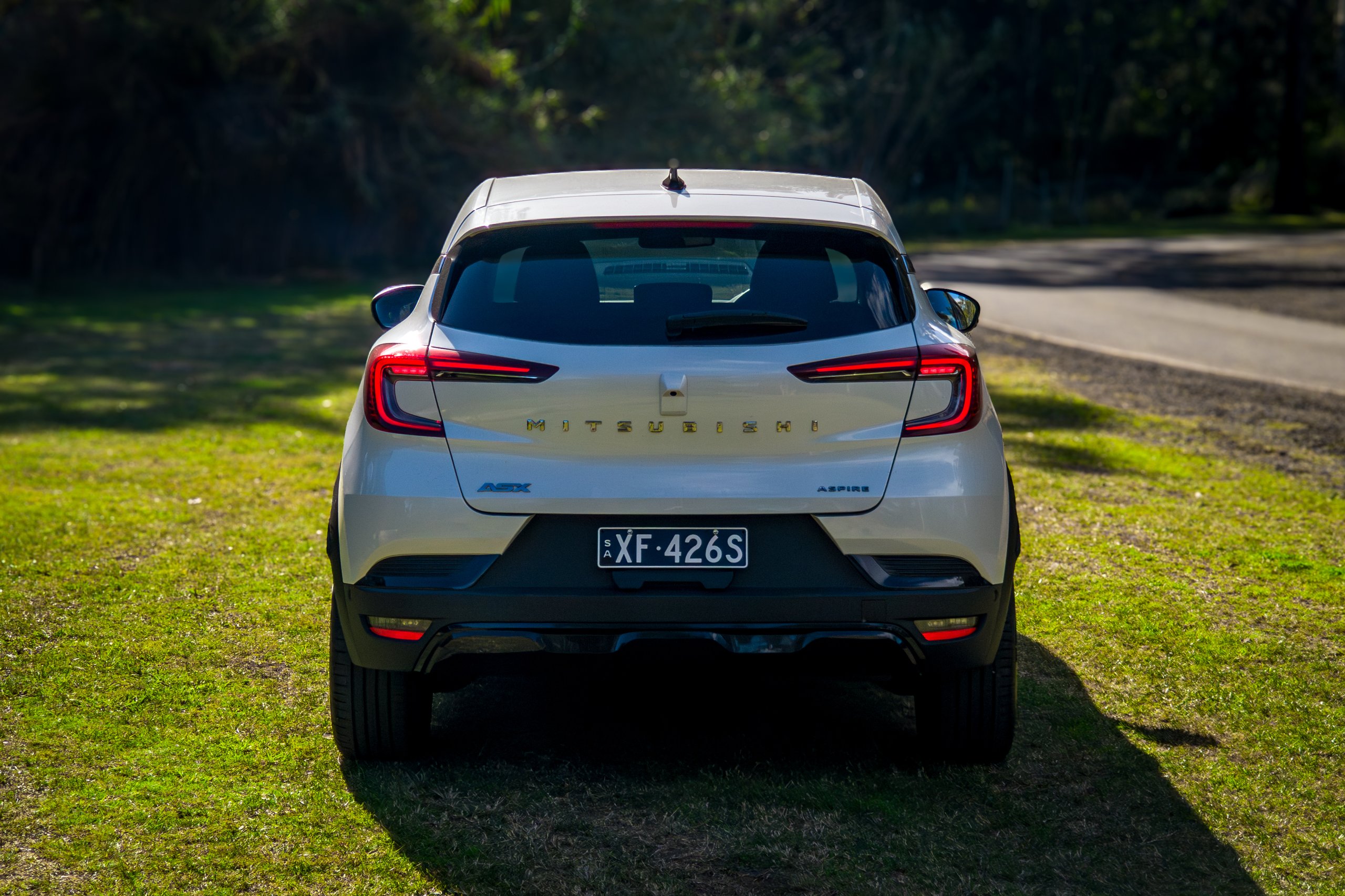
The facelift is impressive. What sold me is the contrast: Crystal White paint against the black grille and the black details along the side skirts. It looks like Mitsubishi has widened the front around the fog lights too, and it gives the car real presence. My fiancée liked it straight away, and the old grey one has been sitting in our driveway for comparison the whole time.
The Aspire gets 18-inch alloys and privacy glass. Most of the shape is Renault’s, but the Mitsubishi front wears it well, and the whole thing hangs together far better than the boxy old model ever did.
What is the Mitsubishi ASX Aspire like inside?
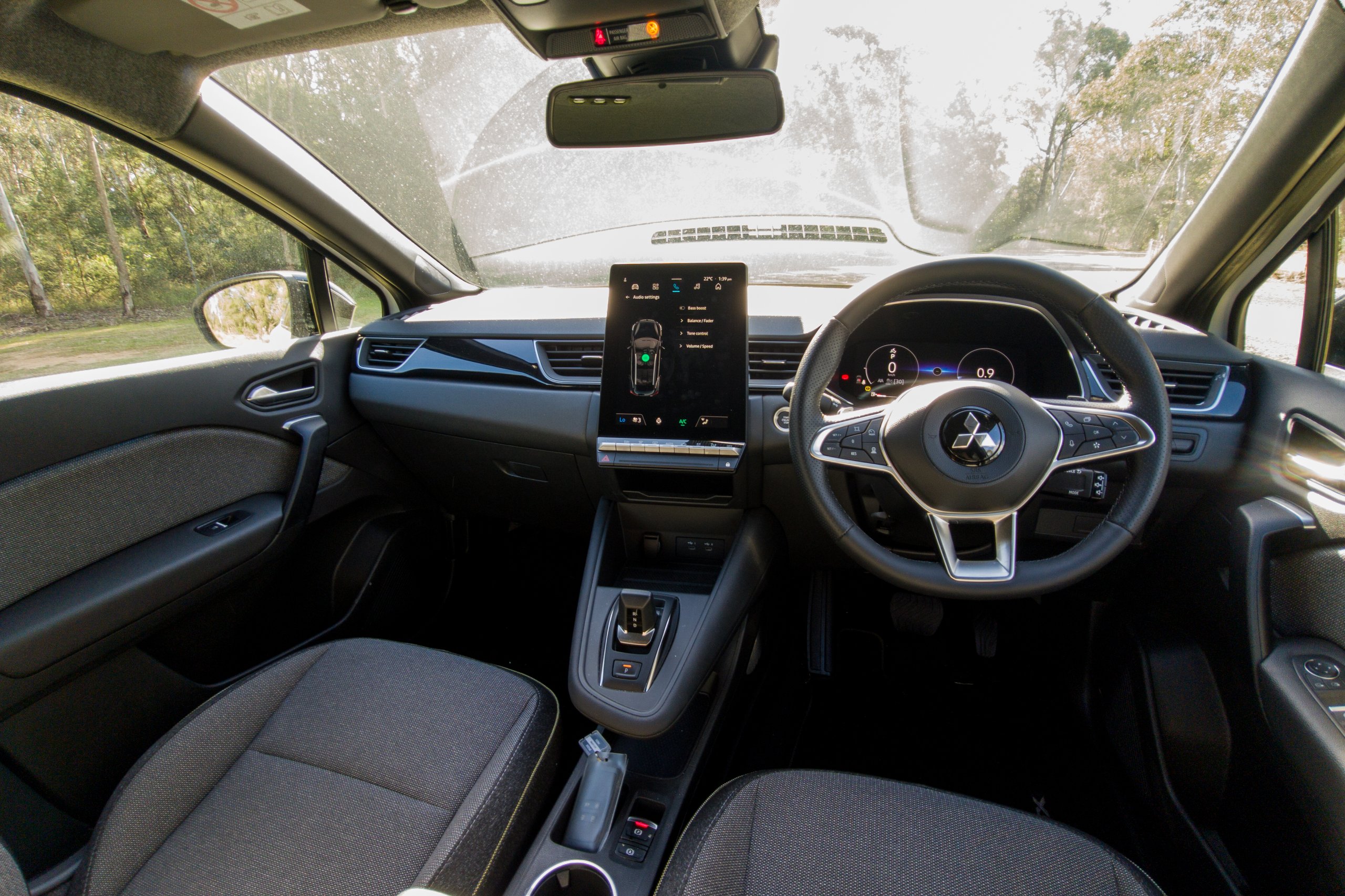
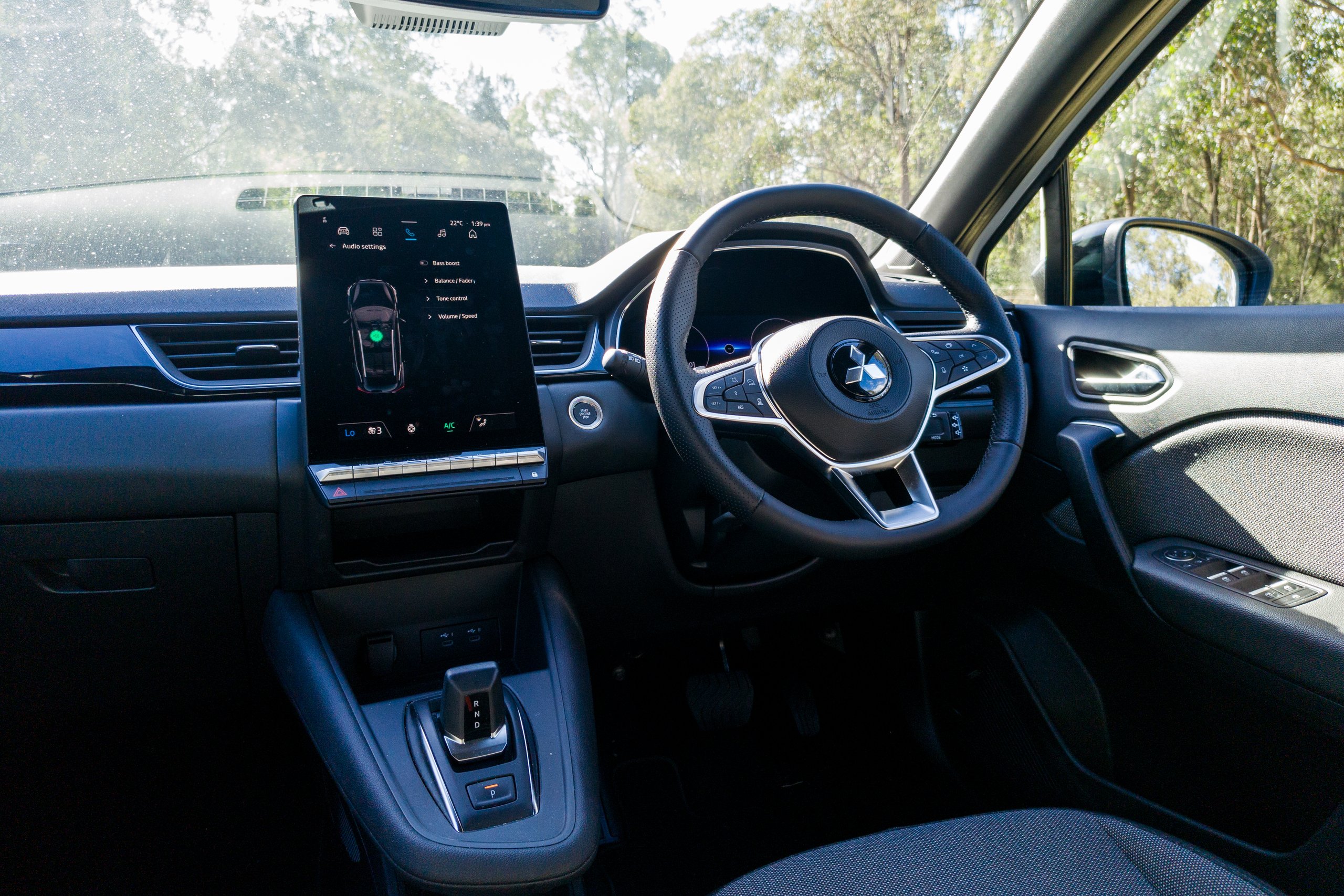
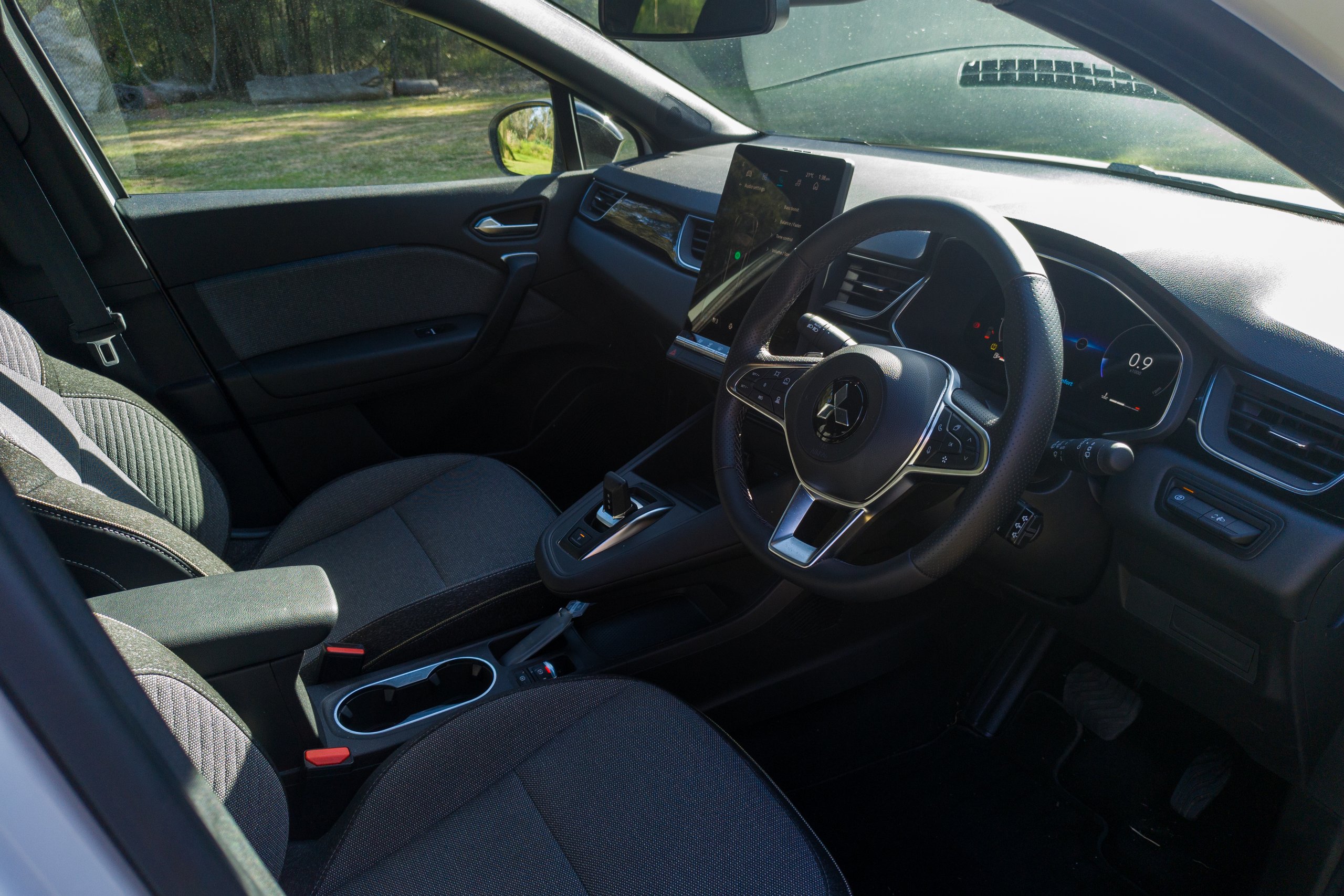
It’s snug in here. My first word for it was claustrophobic, which is harsh, but the car feels sizable outside and doesn’t carry that through to the cabin. Part of it is the contrast with the barer, more open 2017 car.
The trim does its job: gloss black, grey cloth seats, ambient lighting, a heated steering wheel, and height adjustment on both front seats. The mirrors were fiddly to line up, and the extra convex section on their outer edge didn’t add much. The win is the buttons. Mitsubishi kept physical controls for most everyday functions, so I hardly went through the menus all week. I connected my phone and that was about it.
Storage
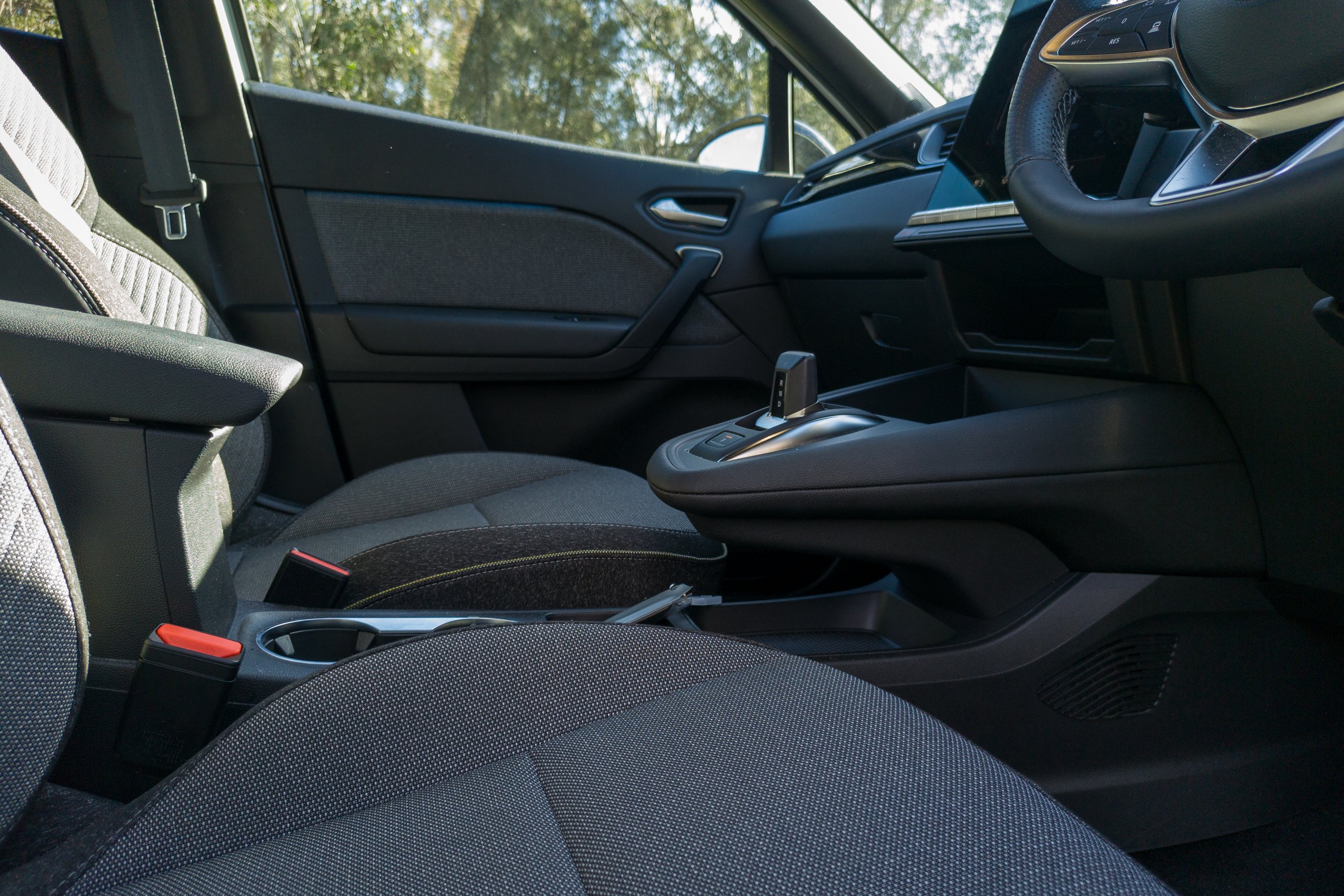
The front console floats, with the e-shifter on top and a shelf underneath holding the wireless charging pad. Below that there’s a bin with a sliding armrest, plus door bins, two cup holders and four bottle holders. Sensible rather than clever, which suits the car.
Rear seat and boot space
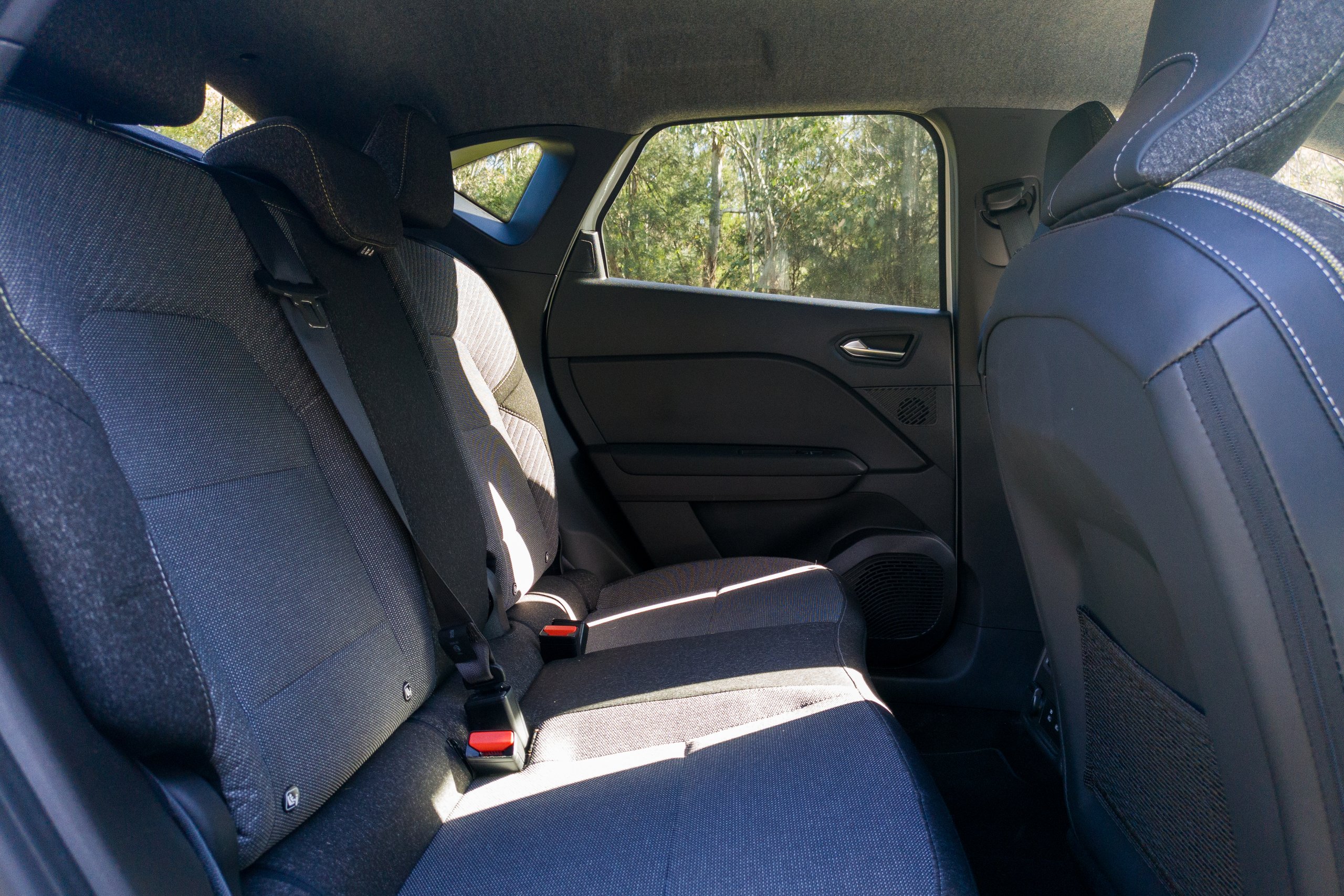
Rear legroom is something I know about in an ASX. I used to drive mine up to the Central Coast for Uber work, because there were fewer drivers and better surge rates, and you could tell the locals from the Sydney riders: locals sat up front, Sydney riders in the back. I adjusted that front seat for legroom so often I learned to push it back one-handed and let the brakes slide it forward again.
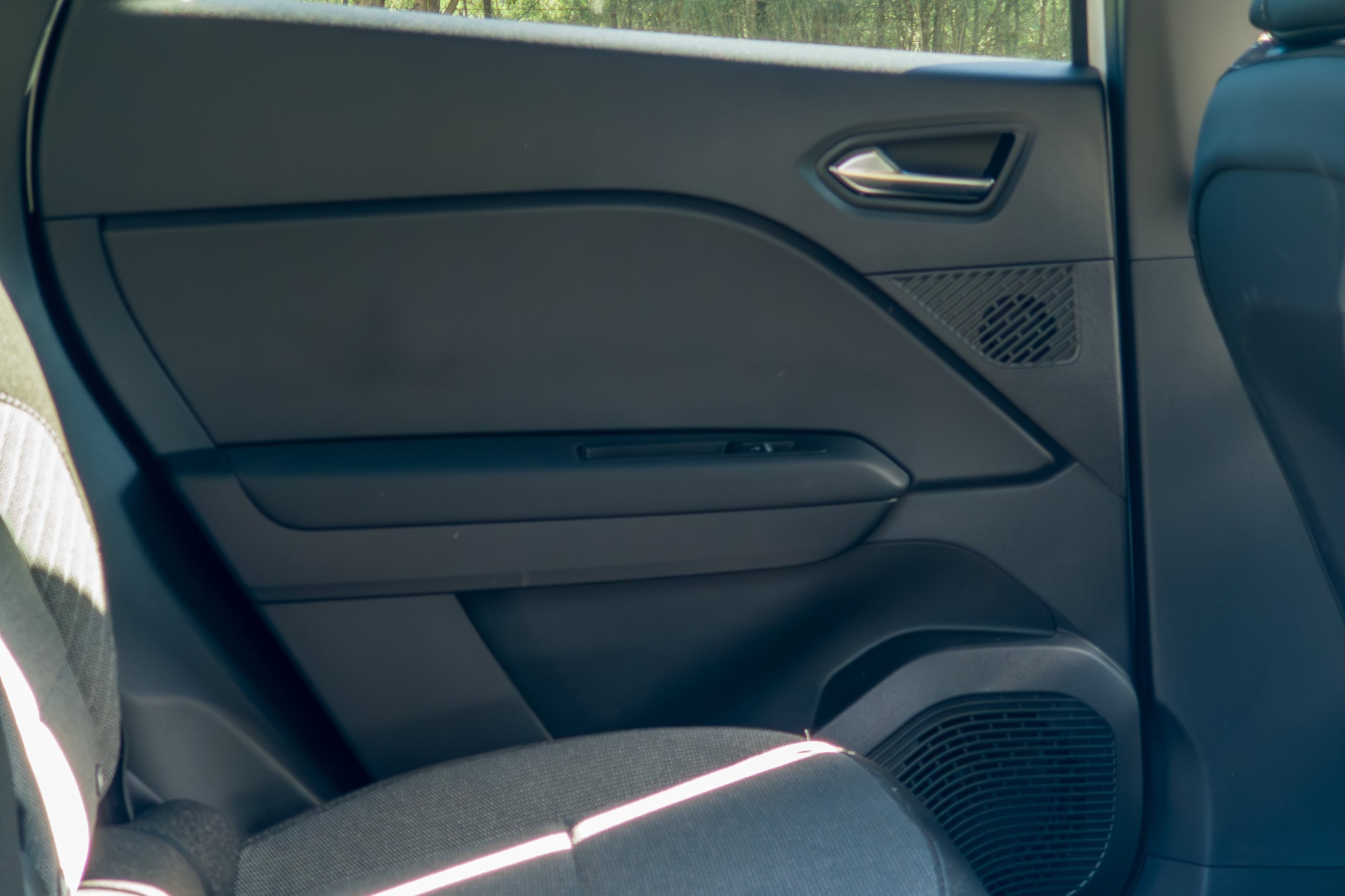
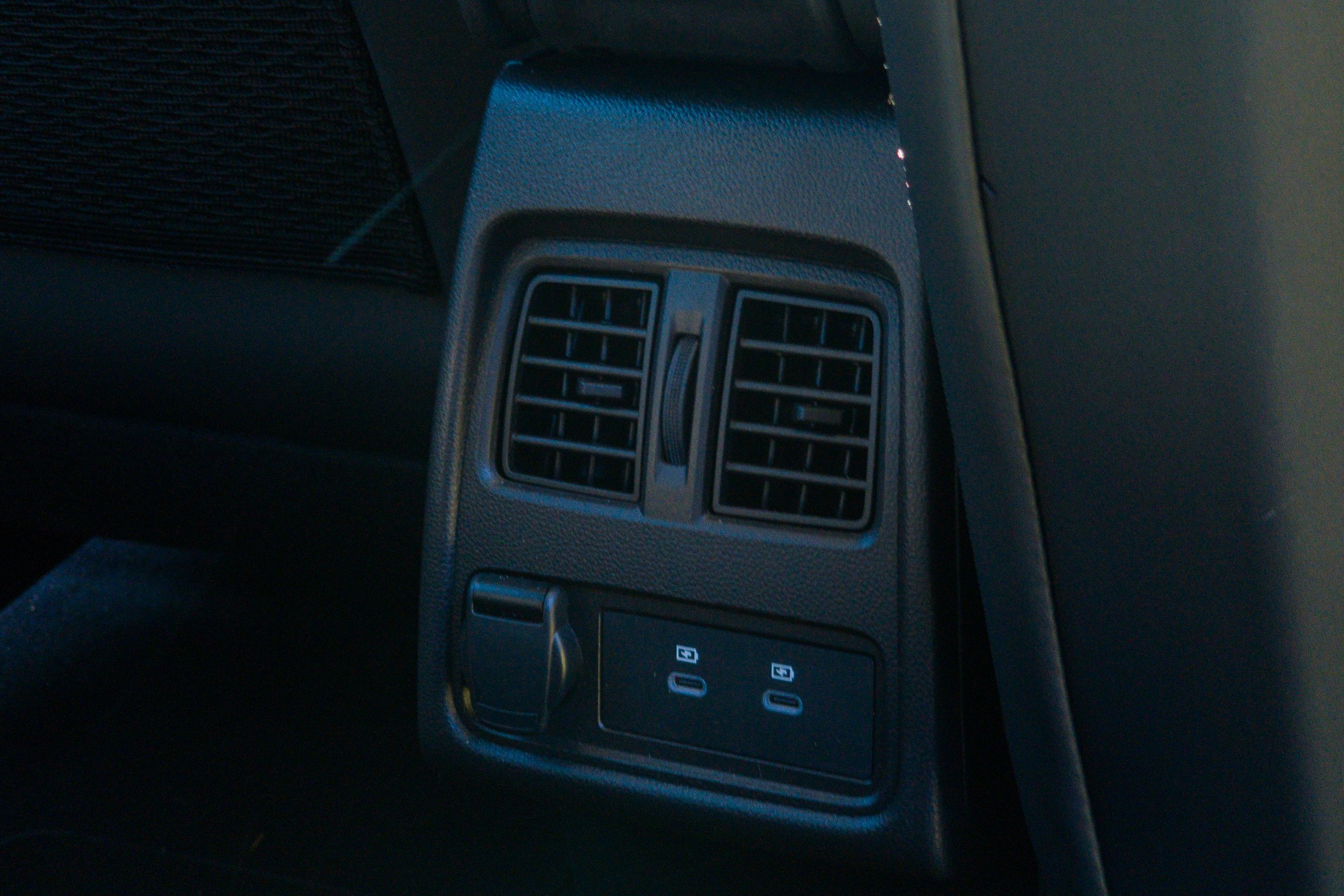
The new one would keep me in practice. Push the front seats back and there isn’t much room left behind them, so front occupants need to shift forward to give the back row space. The 60/40 bench slides fore and aft, which helps. I didn’t sit in the back myself this week, so I won’t tell you how it feels.
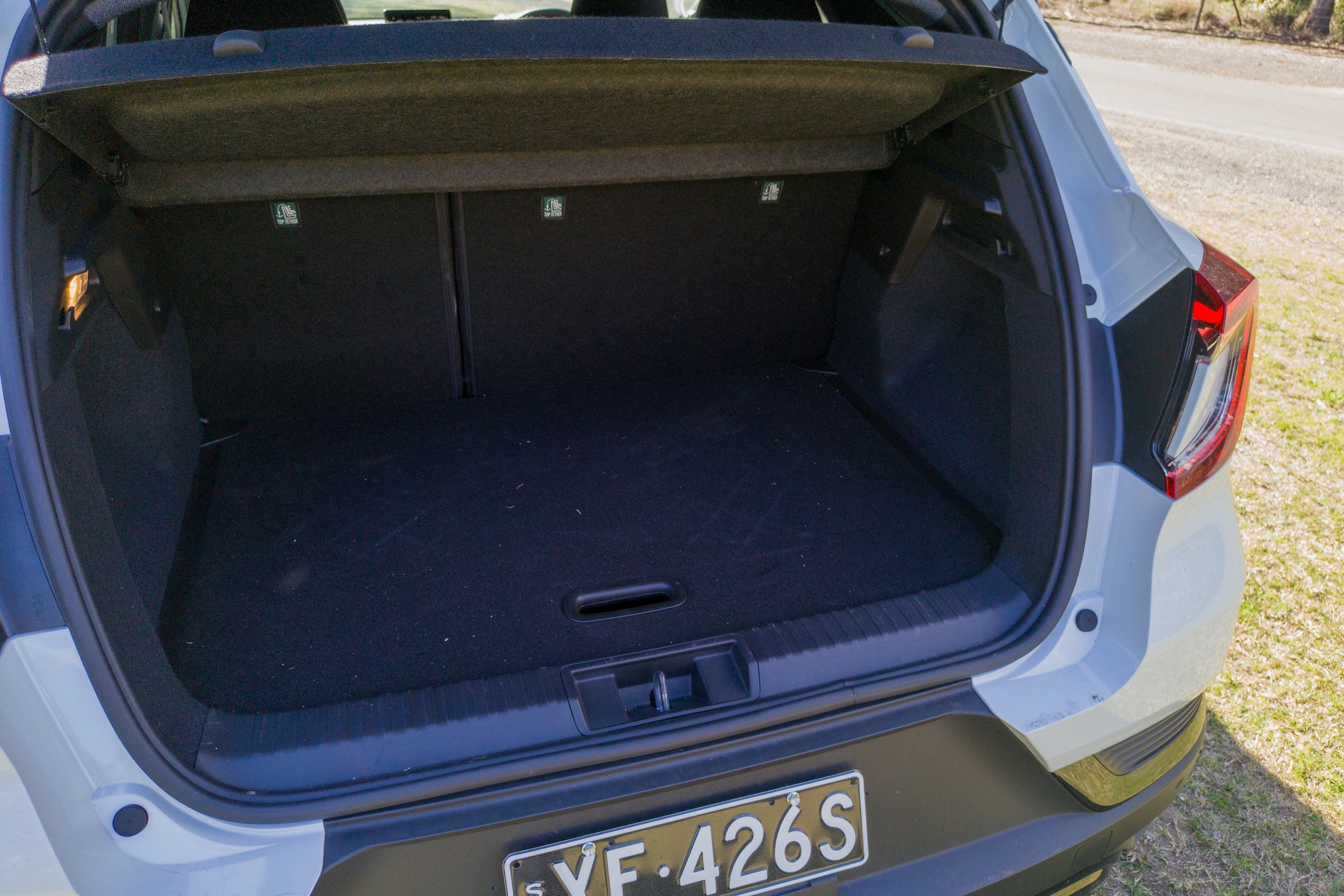
The boot is 484 litres, or 1,596 with the seats folded. One large suitcase fits lying down; add a second and it starts to block the view out the back window. There’s a split-level floor with hidden storage underneath, and no spare wheel, just an inflation kit, with a space-saver available as an accessory.
Technology and connectivity
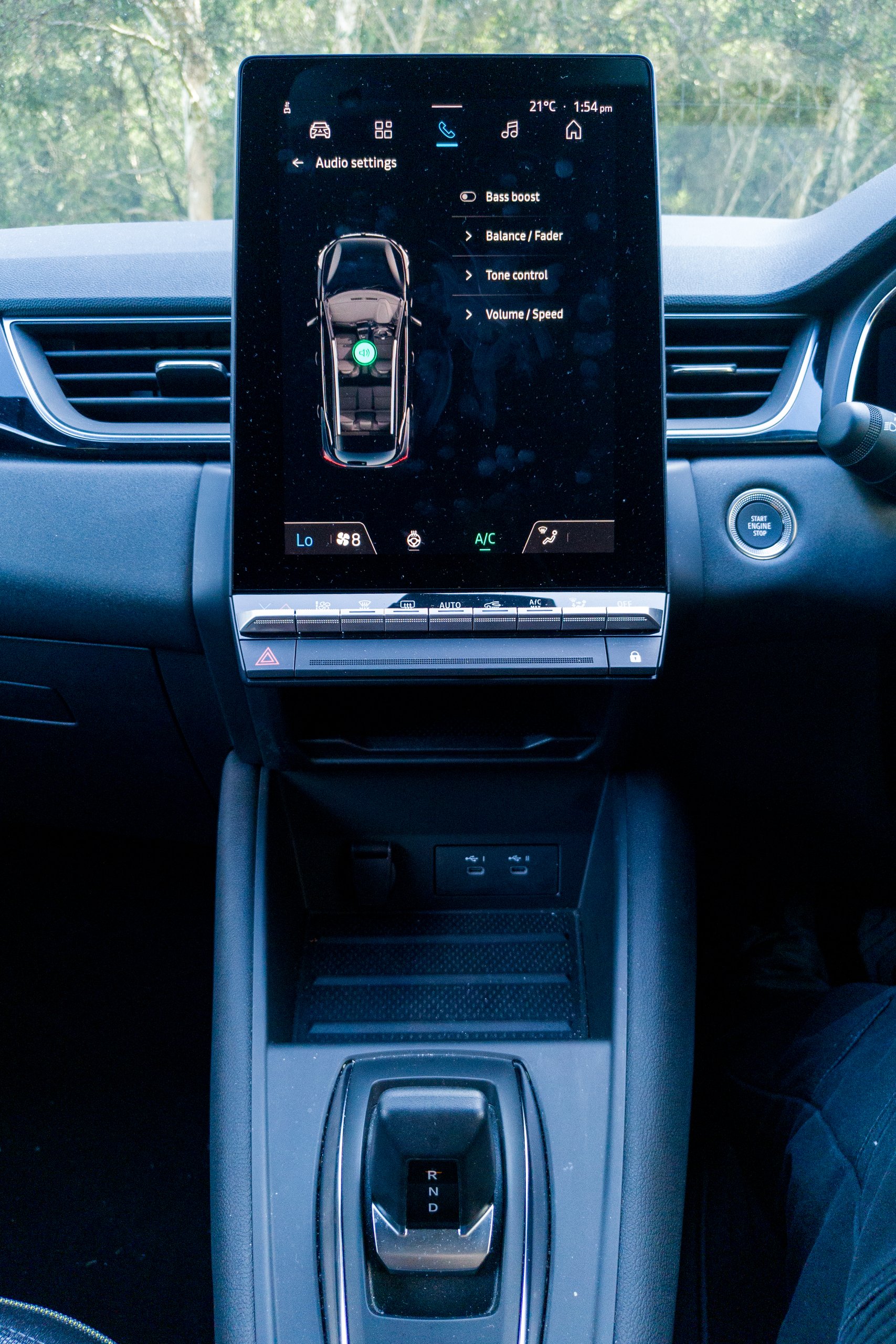
The screen is the odd one out in this class, and my workmates said as much when I ran them home. It’s a 10.4-inch portrait touchscreen while everyone else goes wide, and I think Mitsubishi has it right. It’s not so tall that it blocks your view, and it’s big enough to use the Android Auto controls easily. Google is built in, so you get Maps, the Play store and “Hey Google”, plus wireless CarPlay and Android Auto.
The sound system surprised me. Six speakers, better than average for the class, though not enough for an audiophile. The reversing camera is the worst thing on the car: blurry, smudgy, and it catches light poorly. At this price it shouldn’t be.
The volume stalk deserves a mention once you’ve found it. Pressing volume up and down together to mute feels natural, and the rotary knob for changing selections is enjoyable to use, but dangerous if you like fidget spinners.
Highlighted Features
- Google Maps in the cluster: turn-by-turn directions render in the driver’s display, not just the central screen.
- Directional safety audio: alerts play from the speaker nearest the hazard, so a warning on your left comes from your left.
- Welcome lighting: the “Hello and Goodbye” lighting and startup animation are a genuinely cool touch.
Engine and drivetrain
Every Australian ASX gets the same drivetrain: a 1.3-litre turbo four making 113kW and 270Nm, a seven-speed dual-clutch, front-wheel drive. No hybrid and no AWD anywhere in the range. It runs on 91, claims 6.4L/100km and 142g/km of CO2, and carries a 48-litre tank. The rest of the numbers live in the tables below.
What’s the Mitsubishi ASX Aspire like to drive?
Sensible. That’s my one-word summary. The 113kW turbo is adequate, it helps the car get moving when you need it, and it’s good enough to get everyone and more from A to B. It’s not thrilling and it’s not trying to be. The ride is quite soft despite the 18s, with a nice quiet way about it, and it soaks up speed bumps well.
The assists are gentle and stay out of the way. I did feel something limiting how much the wheels turn into a corner at times. I’ll treat that as an impression rather than a fact, because it’s most likely the stability systems working quietly.
The one thing I’d change is the driven wheels. I prefer AWD and think a car this size would suit it. No ASX here offers it, and neither do most of the hybrid rivals, so that’s my preference rather than a missing spec.
The dual-clutch is the interesting bit. The 2017 had a spongy but sensitive throttle that was hard to learn: too little and it crawled, too much and it lunged down a gear. This one is far better calibrated, though it still hangs on downhills, the classic dual-clutch habit. And there’s that flow from earlier, which I genuinely enjoyed. Does it feel like a $47,000 car from behind the wheel? Ehh, close but not quite.
Is the Mitsubishi ASX Aspire safe?
The ASX carries a 4-star ANCAP rating from 2025, based on Euro NCAP’s testing of the Renault Captur it shares a structure with. The old ASX had 5 stars, but that was earned under 2014 protocols, so the two don’t compare directly. ANCAP marked the new car down for weak driver chest protection in the frontal offset test, and named the missing centre airbag as the barrier to a fifth star. Child occupant protection scored 83 per cent.
On the road the systems are well judged. The collision detection isn’t over the top, and nothing nagged me all week. Standard kit includes:
- Mi-Pilot semi-autonomous assist, bundling adaptive cruise, traffic jam assist and lane centering
- Forward Collision Mitigation with pedestrian detection, plus emergency lane assist
- Blind Spot Warning, Rear Cross Traffic Alert and Safe Exit Assist
- Traffic Sign Recognition, driver attention alert, and front, rear and side parking sensors
How much does the Mitsubishi ASX Aspire cost?
The Aspire is $42,690 before on-road costs, around $46,800 drive-away, between the LS at $37,740 and the Exceed at $46,490. The problem is what else that money buys. The GWM Haval Jolion, Chery Tiggo 4 and MG ZS all offer hybrids from the high $30,000s drive-away, and the Toyota Corolla Cross hybrid starts at $37,440 before on-roads. All of them use less fuel.
The equipment list is genuinely long: 18-inch alloys, privacy glass, Google built in, the 10.25-inch digital cluster, wireless charging, a heated steering wheel, ambient lighting, height adjustment on both front seats and the full Mi-Pilot safety suite. There isn’t much missing. What’s missing is a hybrid badge and a lower price.
How much does the Mitsubishi ASX Aspire cost to run?
Mitsubishi’s answer to the price is the Diamond Advantage program: up to 10 years or 200,000km of warranty, 10 years of capped-price servicing, and up to 10 years of roadside assist. The condition is that every annual service happens at a Mitsubishi dealer, or the warranty drops back to 5 years and 100,000km. Services fall every 12 months or 15,000km, and cost $1,595 over five years or $3,893 over ten. No rival offers backing that long.
Fuel is honest. I saw the claimed 6.4L/100km on the trip computer over a week of real commuting, which at around $1.73 a litre for 91 works out to about $11 per 100km. The Corolla Cross hybrid claims 4.3, and over a 15,000km year that gap costs about $550 at the pump.
Running costs |
Details |
|---|---|
| Warranty | Up to 10 years / 200,000km (conditional; else 5 years / 100,000km) |
| Servicing interval | 12 months / 15,000km |
| Capped-price servicing | $1,595 over 5 years ($3,893 over 10 years) |
| Roadside assist | Up to 10 years |
| Claimed economy | 6.4 L/100km combined |
| Observed economy | ~6.4 L/100km (matched the claim, mixed driving) |
| Fuel cost | ~$11 / 100km (at ~$1.73/L for 91 unleaded) |
Final thoughts
If a mate asked me whether the ASX is worth the money, I’d say it depends on what you’re going after. If you care more about how it looks and drives than having a large interior, it’s not a bad choice. I just wouldn’t recommend it to large families.
On the rebadge question, I’ve been burned before. I bought a Holden Viva second-hand once without knowing it was a rebadged Daewoo, and I got the problems to match. The ASX handles that worry better than any rebadge I can think of, because ten years of warranty and servicing means someone else is carrying the risk, and European cars last well when they’re serviced on schedule.
It’s worth being honest about what that warranty is covering, though. The old ASX was bulletproof because it was simple. This one is a turbo engine and a dual-clutch, more complex and less proven, and dual-clutches have a fussy history. You’re not buying the old car’s durability for more money. You’re buying a new bet, with Mitsubishi backing it.
For value or economy, drive the GWM Haval H7 first. It’s near-identical money for a much bigger, more powerful hybrid with the same size boot, and the ASX’s only answer is the longer warranty. The Alfa Romeo Junior Ibrida is the closer match if you want European character with a hybrid drivetrain, at more money again.
It’s quirky, and its clever designs are done so that you worry less, on road and off it.
Mitsubishi ASX Aspire — Frequently Asked Questions
Is the new Mitsubishi ASX a rebadged Renault?
Yes. The all-new ASX is built on the Renault Captur and shares its European underpinnings, 1.3-litre turbo petrol engine and much of its cabin. Mitsubishi adds its own Dynamic Shield front, its 10-year warranty and servicing program, and local tuning.
How much does the Mitsubishi ASX Aspire cost?
The ASX Aspire is priced at $42,690 before on-road costs, which works out to approximately $46,800 drive-away depending on your state. It sits in the middle of the range, between the LS at $37,740 and the Exceed at $46,490 (both before on-road costs).
How much fuel does the ASX Aspire use?
Mitsubishi claims 6.4 litres per 100km on the combined cycle, and over a week of mixed city and highway driving the ASX matched that figure almost exactly. It runs on 91 RON regular unleaded and carries a 48-litre tank.
Why is the Mitsubishi ASX only rated 4 stars by ANCAP?
ANCAP awarded the ASX 4 stars in 2025 using Euro NCAP data from the Renault Captur it shares its structure with. It was marked down for weak chest protection for the driver in the frontal offset test, with the absence of a centre airbag cited as the barrier to a fifth star. Child occupant protection scored a strong 83 per cent.
Is the Mitsubishi ASX Aspire worth buying?
It depends on what you value. The ASX is a peace-of-mind buy: sharp to look at, sensible to drive, and backed by a 10-year warranty, servicing and roadside program no rival matches. But it is petrol-only and asks similar money to hybrid rivals that use far less fuel, so value hunters should also drive the cheaper hybrids before signing.
Specification |
Details |
|---|---|
| Model | 2026 Mitsubishi ASX Aspire |
| Model Price | $42,690 plus on-road costs (~$46,800 drive-away) |
| Engine | 1.3L turbocharged 4-cylinder petrol (1,332cc) |
| Drivetrain | Front-wheel drive |
| Power | 113kW @ 6,000rpm |
| Torque | 270Nm @ 1,800rpm |
| Transmission | 7-speed dual-clutch automatic |
| Fuel Economy | 6.4 L/100km (ADR combined) |
| Fuel Type | 91 RON unleaded |
| Fuel Tank | 48 litres |
| CO2 Emissions | 142 g/km |
| Safety | 4-star ANCAP (2025) |
| Servicing | 12 months / 15,000km; $1,595 over 5 years |
| Warranty | Up to 10 years / 200,000km (conditional) |
| Roadside Assist | Up to 10 years |
Specification |
Details |
|---|---|
| Overall Length | 4,238 mm |
| Width | 1,797 mm |
| Height | 1,575 mm |
| Wheelbase | 2,639 mm |
| Wheels | 18-inch alloy |
| Tyres | 215/55 R18 |
| Kerb Weight | 1,294 kg |
| Boot Min | 484 L |
| Boot Max | 1,596 L |
| Towing Capacity | 1,200 kg braked |
| Turning Circle | 11.1 m |
| Max ground clearance | 173 mm |
| Payload | 531 kg |
| GVM | 1,825 kg |
For the latest pricing and to book a test drive, head to the official Mitsubishi Australia site.
The score, itemised
6.9 overall- 7.0 Behind the Wheel
- 7.0 Comfort
- 7.0 Equipment
- 6.0 Performance weakest
- 7.0 Ride and Handling
- 6.0 Practicality
- 6.0 Fit for Purpose
- 9.0 Style / Appeal
- 8.0 Technology / Connectivity
- 6.0 Value for Money